Leave Your Message


Choosing the right 304 Stainless Steel Flat Bar supplier requires more than comparing prices on a spreadsheet. The material must perform reliably in fabrication, construction, food-processing equipment, and general industrial applications. The International Stainless Steel Forum’s 2024 statistics reported global stainless steel crude production of approximately 58.4 million tonnes in 2023. That scale reflects strong demand, but it also creates quality differences between mills, stockists, and trading companies.
Material traceability matters.
A dependable supplier should provide heat numbers, mill test certificates, chemical composition, mechanical properties, and accurate dimensional records. ASTM A276/A276M is widely referenced for stainless steel bars, while ASTM A479/A479M may apply to certain pressure-related applications. Buyers should still confirm the correct standard for each project. Typical 304 flat bar contains roughly 18% chromium and 8% nickel, supporting useful corrosion resistance in many indoor and mildly corrosive environments. It is not immune to staining, especially near chlorides, saltwater, or poor drainage.
The suppliers selected for this guide were considered through practical criteria, including grade verification, thickness tolerance, surface finish, cutting capability, packaging, delivery performance, and technical support. A bright, clean bar is not automatically a compliant bar. No shortlist is perfect. Regional availability, order quantity, and certification needs can change the best choice. Therefore, each company should be checked against current certificates, production capacity, inspection procedures, and customer references before purchase. Small details matter, such as whether protective film remains intact during transport or whether bundled bars arrive with readable identification tags.
10 Best 304 Stainless Steel Flat Bar Suppliers
What Is 304 Stainless Steel Flat Bar and Where Is It Used?
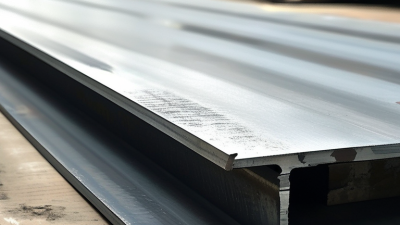
304 stainless steel flat bar is a solid, rectangular strip made from an austenitic stainless steel grade. It typically contains about 18% chromium and 8% nickel, supporting corrosion resistance and a clean surface. It is not rust-proof. Salt, chemicals, and poor cleaning can still cause staining. In the annealed condition, it is usually non-magnetic, although forming can create slight magnetism.
Fabricators use 304 flat bar for brackets, frames, supports, machine parts, and architectural trim. It also appears in kitchen equipment, food-processing benches, storage racks, and interior handrails. Its smooth surface cleans easily when the finish is properly selected. For coastal structures, caution matters. Chloride exposure can challenge 304, especially when water remains trapped.
When comparing the ten best suppliers, request material certificates, accurate dimensions, heat numbers, and clear surface descriptions. Confirm whether the bar is hot-rolled, cold-finished, polished, or cut to length. Edge condition matters during welding and assembly. I have seen a bar look excellent until uneven edges slowed fabrication. Another overlooked detail is protective packaging. Scratches may begin during transport, not production. A supplier’s traceability records and tolerance control often reveal more than a low price.
| Rank | Anonymous Supplier Profile | Typical Supply Region | Common Product Standards | Typical Size Range | Available Finishes | Typical Applications | Key Buying Check |
|---|---|---|---|---|---|---|---|
| What Is 304 Stainless Steel Flat Bar? | |||||||
| Material definition | A flat bar is a solid, rectangular stainless-steel product with parallel faces. Grade 304 is an austenitic chromium-nickel stainless steel that combines corrosion resistance, formability, weldability and general-purpose strength. | ||||||
| Typical chemical composition | Chromium: 18.0–20.0%; nickel: 8.0–10.5%; carbon: maximum 0.07%; manganese: maximum 2.00%; silicon: maximum 0.75%; phosphorus: maximum 0.045%; sulfur: maximum 0.030%; iron: balance. Exact limits depend on the governing specification. | ||||||
| Typical mechanical properties | For annealed 304 stainless steel, commonly referenced minimum values include tensile strength around 515 MPa, yield strength around 205 MPa and elongation around 40% under ASTM A276 or comparable specifications. Actual values depend on product size, condition and test standard. | ||||||
| Corrosion-resistance note | 304 performs well in normal atmospheric, food-processing and mildly corrosive environments. It is not the preferred grade for high-chloride, seawater or strongly reducing-acid service, where a higher-alloy grade may be required. | ||||||
| 1 | Large mill-stock distributor Best for standard sizes and repeat orders |
North America and Europe | ASTM A276; ASTM A479 where applicable; EN 10088-3 | Width: 10–300 mm Thickness: 3–50 mm Cut lengths available |
Hot-rolled, cold-finished, pickled, mill finish | Machine bases, brackets, frames, supports and general fabrication | Confirm heat number, material test report and dimensional tolerances. |
| 2 | Precision cold-finished supplier Best for tight dimensions |
Europe and East Asia | ASTM A276; EN 10278; EN 10088-3 | Width: 10–150 mm Thickness: 2–25 mm Tighter tolerance options |
Bright, smooth, ground or polished | Precision assemblies, shafts, guides, tooling and architectural trim | Request tolerance class, straightness data and surface roughness limits. |
| 3 | Custom-cut service center Best for short runs and cut-to-length orders |
North America, Europe and Asia | ASTM A276; ASTM A484/A484M for general requirements | Common stock up to approximately 300 mm wide; custom cut lengths | 2B, No. 1, brushed and sawn-edge finishes | Repair work, prototypes, maintenance parts and small fabrication projects | Check cutting tolerances, burr-removal method and minimum order quantity. |
| 4 | Architectural stainless supplier Best for visible surfaces |
Europe, Middle East and Asia-Pacific | EN 10088-3; ASTM A276; project-specific architectural requirements | Width: 20–200 mm Thickness: 3–20 mm Custom lengths |
Brushed, satin, polished and decorative finishes | Handrails, trims, balustrades, façade details and interior features | Verify protective film, grain direction, visual sample and surface consistency. |
| 5 | Food and sanitary fabrication supplier Best for hygienic installations |
North America, Europe and Australia | ASTM A276; EN 10088-3; applicable hygienic-fabrication requirements | Width: 20–200 mm Thickness: 3–25 mm |
Pickled, bright annealed, satin and polished | Food-processing frames, sanitary platforms, worktables and equipment supports | Specify cleanability, weld finish, surface roughness and traceability requirements. |
| 6 | Welded-fabrication stockist Best for structural assemblies |
Asia-Pacific and South America | ASTM A276; EN 10088-3; JIS G4318 where specified | Width: 25–250 mm Thickness: 4–40 mm Standard and custom lengths |
Hot-rolled, pickled and descaled | Welded frames, tanks, brackets, machine guards and support structures | Confirm weldability documentation, edge condition and dimensional inspection. |
| 7 | Marine and coastal-service supplier Best for moderate coastal exposure |
Coastal Europe, Asia-Pacific and the Americas | ASTM A276; EN 10088-3; project-specific marine requirements | Width: 25–300 mm Thickness: 5–50 mm |
Pickled, descaled and machined | Light-duty marine fittings, coastal equipment, brackets and non-immersed supports | Confirm chloride exposure limits; 304 is not generally ideal for continuous seawater immersion. |
| 8 | Industrial maintenance supplier Best for readily available replacement stock |
Global local-stock markets | ASTM A276; EN 10088-3; local equivalent standards | Common widths: 20–150 mm Common thicknesses: 3–25 mm |
Mill finish, brushed and cut-edge | Plant repairs, replacement plates, guards, cleats and general maintenance | Check stock condition, actual dimensions and whether certification is included. |
| 9 | Export-oriented stainless stockholder Best for consolidated international orders |
Asia, Europe and the Middle East | ASTM, EN and JIS specifications available by order | Width: 10–300 mm Thickness: 3–50 mm Multiple cut-length options |
2B, No. 1, pickled, bright and polished | International fabrication, equipment manufacturing and project procurement | Confirm export packing, preservation, documentation and independent inspection options. |
| 10 | Value-added machining supplier Best for processed and ready-to-install parts |
North America, Europe and Asia | ASTM A276; EN 10088-3; customer drawings and inspection plans | Flat bar stock up to approximately 300 mm wide; drilled, milled or profiled parts | Machined, deburred, brushed or polished | Custom brackets, precision plates, mounting rails and fabricated components | Review drawings, machining tolerances, burr limits and final inspection records. |
| Where Is 304 Stainless Steel Flat Bar Used? | |||||||
| Construction and architecture | Handrails, trims, façade components, balustrades, frames, brackets and decorative supports. | ||||||
| Food and beverage equipment | Worktables, machine frames, conveyors, guards, platforms and non-immersed sanitary structures. | ||||||
| Industrial machinery | Base plates, mounting rails, machine guards, spacers, fixtures, supports and welded assemblies. | ||||||
| General engineering | Fabricated brackets, cleats, reinforcement members, maintenance parts and corrosion-resistant hardware. | ||||||
| Selection checklist |
|
||||||