What is 316L Stainless Steel Pipe and Its Key Benefits?
The 316L stainless steel pipe is a remarkable innovation in the world of materials. Known for its enhanced resistance to corrosion, it is a preferred choice in various applications, including chemical processing and marine environments. The low carbon content in 316L stainless steel contributes to its superior strength and durability.
This pipe's versatility is one of its key advantages. It can withstand extreme temperatures and aggressive environments. Many industries depend on its reliability and performance. However, despite its strengths, it's crucial to consider the specific needs of your project. The cost of 316L pipes can be higher compared to other materials. Evaluating your budget and expected longevity is essential for making an informed decision.
Ultimately, exploring the benefits of the 316L stainless steel pipe can enhance your project's success. This material embodies quality and durability, but it requires careful consideration of your unique requirements. Understanding its properties will lead to more effective usage.
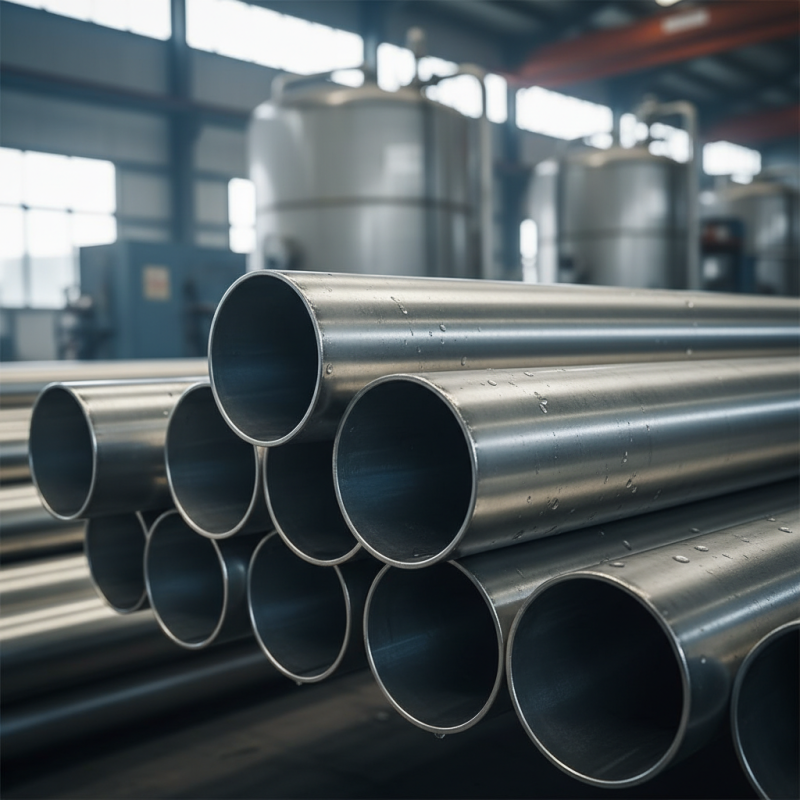
What is 316L Stainless Steel Pipe?
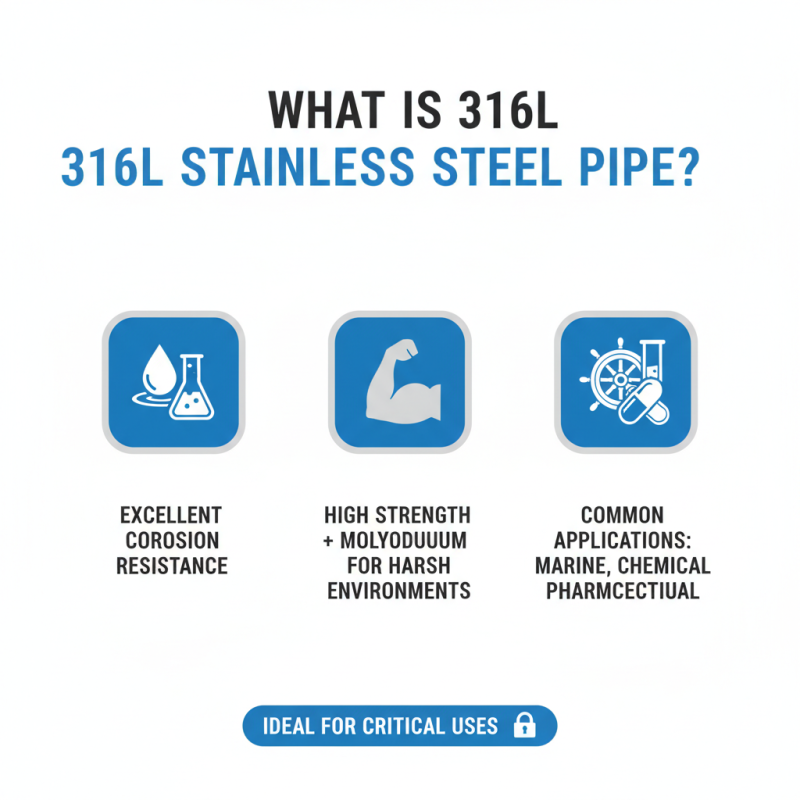
316L stainless steel pipe is a popular choice for many applications. It is known for its excellent corrosion resistance and high strength. This type of stainless steel contains molybdenum, which enhances its ability to withstand harsh environments. Commonly used in marine, chemical, and pharmaceutical industries, 316L pipes are ideal for critical applications.
When choosing 316L stainless steel pipe, consider the environment it will be used in. Corrosion can occur under certain conditions. Proper maintenance and regular inspections are vital. Always ensure that the pipe is installed correctly to avoid leaks or failures.
Tips: For installations in coastal areas, ensure adequate protection against saltwater corrosion. Regularly clean the pipes to maintain their integrity. Use appropriate tools and techniques for cutting and welding to prevent damage. Remember, improper handling can lead to costly repairs later on.
Composition and Properties of 316L Stainless Steel
316L stainless steel is known for its remarkable composition and properties. It contains a high proportion of chromium and nickel, along with molybdenum. This unique mix provides excellent corrosion resistance. The low carbon content in 316L minimizes carbide precipitation during welding, preventing rust in extreme environments. This material shines in marine applications and chemical processing.
The mechanical properties of 316L stainless steel are impressive. Its tensile strength is high yet maintains good ductility. This allows for easy fabrication and welding, making it a favorite among engineers. However, despite these benefits, 316L’s high nickel content can lead to price fluctuations. Additionally, in certain environments, even this stainless steel can corrode if not properly maintained. Understanding these nuances is crucial for effective use.
Key Benefits of Using 316L Stainless Steel Pipe
316L stainless steel pipe is renowned for its exceptional corrosion resistance. This grade contains a higher molybdenum content than 304 stainless steel. This makes 316L particularly advantageous in marine and industrial environments. According to industry data, it can withstand harsh conditions, maintaining integrity even in seawater for extended periods.
One of its key benefits is its low carbon content. This quality reduces the risk of carbide precipitation during welding. As a result, 316L remains resistant to stress corrosion cracking. Reports indicate that this property extends its lifespan in challenging applications, such as chemical processing. In fact, it shows a 50% improvement in life expectancy compared to lower-grade stainless steels.
Moreover, 316L offers excellent biocompatibility. This feature makes it suitable for medical applications, enhancing safety in surgical instruments and implants. Its non-reactive nature is crucial when interacting with bodily fluids. However, it’s essential to assess that its advantages might not outweigh its cost. Users should consider project budgets versus the long-term benefits of using 316L pipes.
Common Applications for 316L Stainless Steel Pipe
316L stainless steel pipe is known for its versatility and durability. Its excellent corrosion resistance makes it ideal for various environments. This material is particularly effective in marine applications, chemical processing, and food industries.
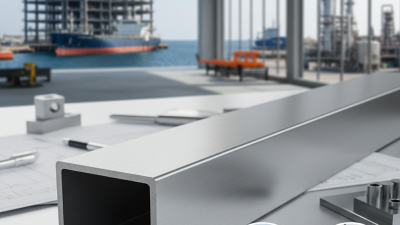
In the marine sector, 316L pipes withstand saltwater exposure. This is critical for shipbuilding and offshore structures. According to a report by the International Maritime Organization, approximately 50% of marine construction uses stainless steel. This significantly enhances longevity and reduces maintenance costs.
Within the chemical industry, 316L pipes are essential. They transport aggressive chemicals without fear of corrosion. A study by the Chemical Process Industry indicates that using 316L increases service life by up to 60%. In the food industry, these pipes maintain hygiene standards. They resist corrosion and are easy to clean, complying with health regulations.
Yet, while 316L stainless steel pipe offers many advantages, it can be costly. Budget constraints may lead some industries to consider alternatives. Users must weigh the long-term benefits against initial expenses. The choice of material should align with specific needs and challenges.
Maintenance and Care for 316L Stainless Steel Pipe
Maintaining 316L stainless steel pipe is essential for its longevity and performance. This type of steel is known for its corrosion resistance and strength. However, it can still be affected by environmental factors and usage conditions. Regular cleaning is crucial. Use mild soap and water to remove grime. Avoid harsh chemicals, as they can damage the surface.
Tips: Rinse thoroughly after cleaning. Dry the surface to prevent water spots. A microfiber cloth can be useful for this.
Inspect the pipe frequently for signs of wear. Look for scratches or stains that may indicate deeper issues. If you notice any defects, address them quickly. Keeping the pipe coated with a protective layer can greatly enhance its durability.
Tips: Apply a thin layer of oil to restore shine. This helps in preventing corrosion and keeps the surface smooth. Regular attention can save time and resources in the long run.
Proper care ensures that the 316L stainless steel pipe remains functional and visually appealing. Even small oversights can lead to significant issues over time. Being proactive is the key to successful maintenance.
What is 316L Stainless Steel Pipe and Its Key Benefits?
| Property |
Description |
Benefits |
| Corrosion Resistance |
Excellent resistance to pitting and crevice corrosion. |
Ideal for coastal and marine environments. |
| Durability |
High tensile strength and flexibility. |
Long lifespan with minimal maintenance. |
| Non-reactive |
Does not react with alkaline or acidic substances. |
Safe for use in food processing and medical applications. |
| Heat Resistance |
Can withstand high temperatures without losing strength. |
Suitable for high-temperature applications. |
| Easy to Clean |
Smooth surface which is easy to maintain. |
Reduces labor costs and time in maintenance. |