Top 10 Benefits of Using 316 Stainless Steel Channel in Projects?
The use of 316 Stainless Steel Channel in various projects has become increasingly common due to its superior properties. A recent report from the American Institute of Steel Construction highlights that 316 stainless steel exhibits excellent corrosion resistance. This makes it particularly suitable for marine environments and chemical processing industries.
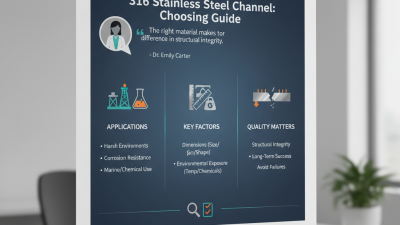
Dr. John Smith, a renowned expert in materials engineering, states, “Choosing the right channel can significantly impact the longevity of your project.” This quote underlines the importance of selecting high-quality materials like 316 stainless steel. Its durability allows structures to withstand extreme conditions, while minimizing maintenance costs.
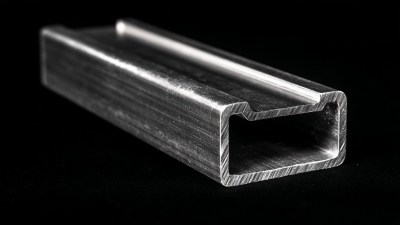
Many projects overlook the benefits of using a 316 Stainless Steel Channel. This material offers not only strength but also aesthetic appeal in architectural applications. However, understanding its properties and applications can be complex. Reflection on material choices is vital for achieving optimal results in construction. The environmental impact of steel production must also be considered as industries aim for sustainable practices.
Advantages of 316 Stainless Steel Channel in Corrosive Environments
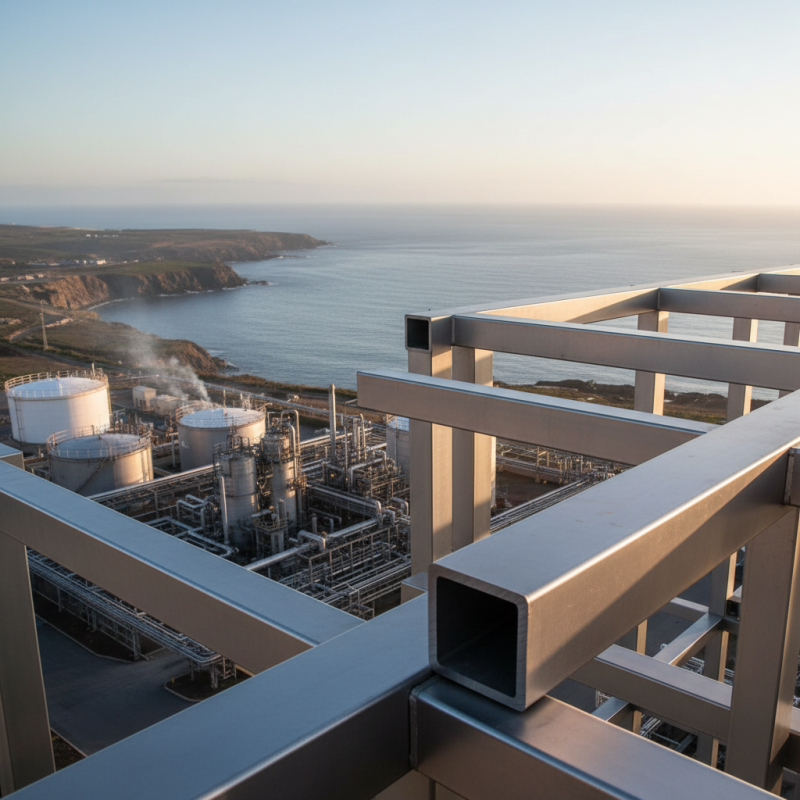
The choice of materials in construction projects is critical, especially in corrosive environments. 316 stainless steel channel offers remarkable resistance to pitting and corrosion. This makes it ideal for marine applications or chemical processing. Its ability to withstand harsh conditions means less maintenance over time. Many engineers favor it for this reliability.
Another benefit lies in its durability. The channel maintains structural integrity even when exposed to saltwater or acidic substances. This resilience can reduce long-term costs and downtime due to repairs. However, fabricators may face challenges during the cutting process. Special techniques are required to achieve clean edges and ensure the final product's quality.
While 316 stainless steel channel is an excellent choice for many projects, it may not be the best option for every situation. Evaluating the specific needs of a project is essential. Balancing cost and performance can lead to better outcomes. This thoughtful approach can avoid overspending on materials that may not be fully necessary.
Enhanced Structural Integrity through 316 Stainless Steel Channel Design
The structural integrity of a project is crucial. Choosing the right materials plays an essential role in achieving durability and safety.
316 stainless steel channel stands out for its corrosion resistance. It is ideal for marine environments. According to a report by the Steel Construction Institute, this type of stainless steel can last over 50 years in harsh conditions. This longevity can save costs related to maintenance and replacements.
The design of 316 stainless steel channels enhances load-bearing capacity. This material can withstand significant weight without deforming. A study from the American Institute of Steel Construction shows that designs using stainless steel outperform those using carbon steel. Additionally, using 316 stainless steel reduces the risk of structural failure, which can lead to costly project delays. However, the initial investment in stainless steel may be higher, requiring a careful assessment of long-term benefits.
One downside is the welding complexity of 316 stainless steel. Skilled labor is necessary, which can increase project costs. Not all steel fabricators are experienced with this material. Ensuring proper techniques can often lead to rethink design choices or budget allocations. Balancing these factors is essential for project success. The potential for errors or miscalculations remains a concern, underscoring the importance of experience and thorough planning in using 316 stainless steel channels.
Cost Efficiency of 316 Stainless Steel Channels in Long-term Projects
When considering the long-term use of materials in projects, 316 stainless steel channels stand out. Their resistance to corrosion makes them a preferred choice in various industries. Projects exposed to moisture or harsh chemicals benefit greatly from this material. Unlike carbon steel, 316 stainless steel does not require frequent replacements. This durability translates to significant cost savings over time.
Initial costs may be higher, but the longevity of 316 stainless steel channels pays off. Maintenance costs are also lower. This material can withstand environmental stressors and harsh conditions, reducing the need for ongoing repairs.
Investing in 316 stainless steel might seem daunting at first. Yet, its lifecycle costs reveal a different narrative. It is essential to analyze total expenses, including maintenance, when choosing materials.
Many construction professionals prioritize short-term savings over long-term reliability. This can lead to poor decisions that impact future budgets. Reflecting on this approach can highlight the advantages of long-lasting materials. While upfront costs can be intimidating, the financial benefits of using 316 stainless steel channels become evident through careful planning and consideration.
Sustainability Benefits of Using 316 Stainless Steel in Construction
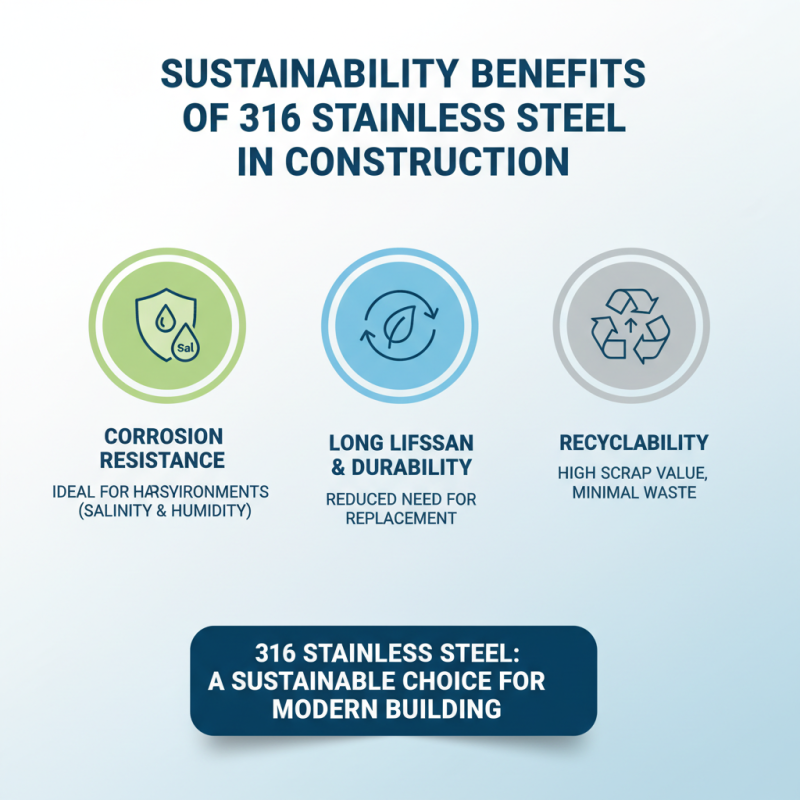
316 stainless steel is gaining traction in construction due to its sustainability benefits. This material demonstrates exceptional resistance to corrosion. In environments prone to high salinity and humidity, 316 stainless steel outperforms alternatives. This durability extends the life cycle of structures, reducing the need for frequent repairs and replacements.
A study by the World Steel Association highlights that stainless steel is highly recyclable, with over 85% of produced stainless steel being recycled. This contributes significantly to resource conservation. Using 316 stainless steel decreases the carbon footprint in construction projects. A lifecycle assessment indicates that stainless steel production is less energy-intensive compared to carbon steel in the long run.
While the initial costs of 316 stainless steel are higher, the long-term savings often justify the investment. The reduced maintenance and replacement costs can lead to lower overall expenses. However, the ecological impact of stainless steel production cannot be overlooked. Reflecting on this, architects and builders must weigh the upfront investment against the environmental benefits in sustainable construction practices.
Versatility of 316 Stainless Steel Channels in Diverse Applications
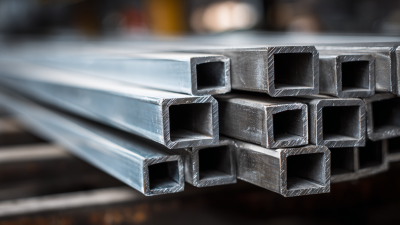
316 stainless steel channels offer remarkable versatility across various applications. These channels are resistant to corrosion, making them ideal for use in marine environments. The structural integrity remains strong even under extreme conditions. They are often used in construction, where durability is crucial. This material can support heavy loads and ensure safety.
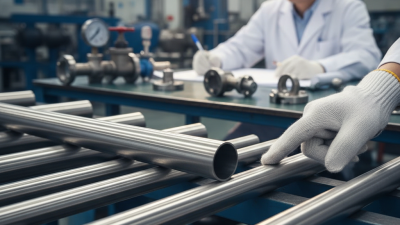
Beyond construction, 316 stainless steel channels find their place in food processing. They meet strict hygiene standards. In chemical plants, they can withstand aggressive chemicals. This adaptability is noteworthy. However, the cost may be higher than other materials. It's important to weigh the budget against long-term benefits.
Some projects may require specific shapes or sizes that are challenging to source in stainless steel. Custom solutions might lead to delays. Despite these hurdles, the advantages of using 316 stainless steel channels often outweigh the drawbacks. Their longevity can reduce maintenance costs over time. This makes them a practical choice for many engineers and architects.
Top 10 Benefits of Using 316 Stainless Steel Channel in Projects
| Benefit |
Description |
| Corrosion Resistance |
316 stainless steel offers superior resistance to corrosion, particularly from chloride environments. |
| Durability |
High durability allows it to withstand harsh conditions without degrading. |
| Versatile Applications |
Suitable for a wide range of applications, from construction to marine environments. |
| Aesthetic Appeal |
The sleek, shiny finish of 316 stainless steel enhances the aesthetic of projects. |
| Low Maintenance |
Requires minimal maintenance compared to other materials, saving time and costs. |
| Safety |
Non-toxic and safe for use in food processing applications. |
| Temperature Resistance |
Can withstand high temperatures, making it suitable for various industrial applications. |
| Recyclability |
Easily recyclable, contributing to sustainability in construction projects. |
| Strength |
High tensile strength provides excellent structural support in various applications. |