What Is the Best 304 Stainless Steel Flat Bar in 2026?
Choosing the best 304 Stainless Steel Flat Bar in 2026 requires more than comparing prices or polished photographs. Buyers should examine chemistry, dimensions, surface condition, flatness, and traceability. A bright finish may look impressive, yet it cannot prove reliable performance.
Dr. James R. Davis, editor of ASM Specialty Handbook: Stainless Steels, explains, “Stainless steels are iron-based alloys containing at least 10.5% chromium.” That chromium forms a protective oxide film, while nickel improves toughness and corrosion resistance. For general fabrication, food-processing frames, brackets, and architectural supports, 304 stainless steel remains a practical benchmark.
But “best” depends on service conditions. A 6-millimeter bar for an indoor machine guard faces different demands from a 20-millimeter bar exposed to coastal spray. Check the mill test certificate. Confirm ASTM or EN compliance. Measure thickness at several points. Small deviations matter during welding and assembly.
Look closely at the edges.
Laser-cut edges may need deburring. Hot-rolled surfaces can show darker scale or slight texture. Cold-finished bars often offer tighter tolerances and a cleaner appearance, but they may cost more. This trade-off is easy to overlook.
No flat bar is perfect. Even reputable suppliers can provide inconsistent packaging, delayed certificates, or minor surface marks. That is why supplier communication matters. Ask for heat numbers, inspection records, tolerances, and sample photographs before ordering.
This guide compares the factors that genuinely define quality in 2026, helping engineers, fabricators, and buyers choose a 304 Stainless Steel Flat Bar with greater confidence.
What Is a 304 Stainless Steel Flat Bar?
What Is the Best 304 Stainless Steel Flat Bar in 2026?
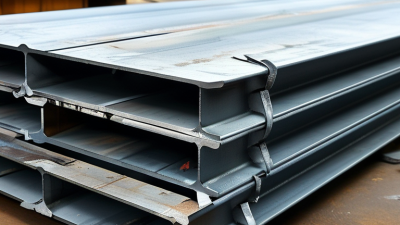
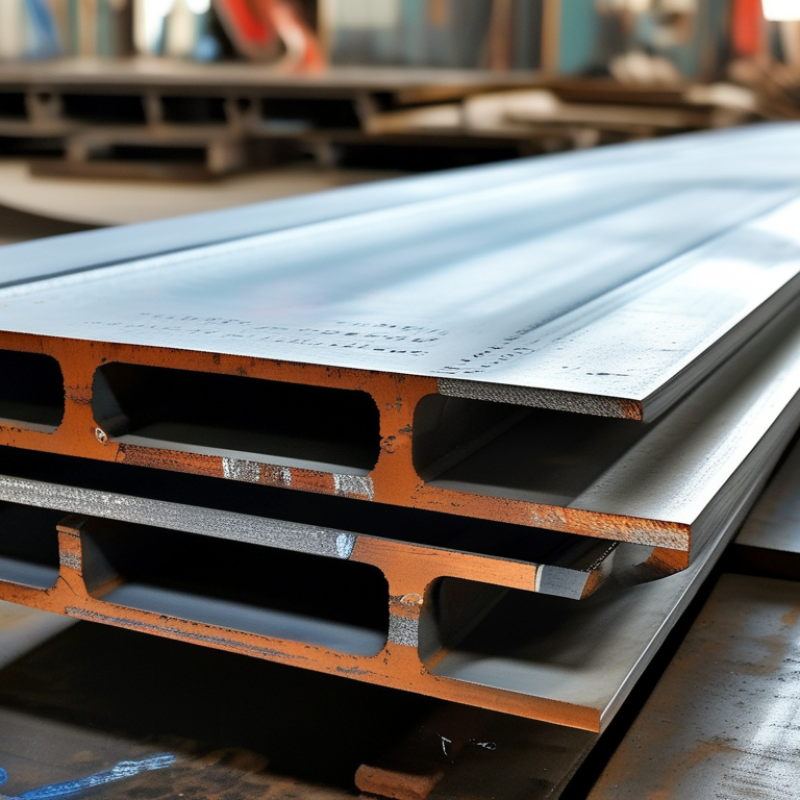
A 304 stainless steel flat bar is a solid, rectangular metal bar made from austenitic stainless steel. It is not a sheet.
Its typical chemistry contains about 18% chromium and 8% nickel. ASTM A276/A276M sets chemical and dimensional requirements for stainless steel bars, while ASTM A480/A480M addresses flatness, finish, and tolerances. The chromium creates a passive surface film, which helps resist moisture and many everyday chemicals. Chloride exposure can still cause pitting. Small details matter.
World Stainless reported 58.4 million tonnes of global stainless steel production in 2023. The USGS Mineral Commodity Summaries 2024 estimated global chromite mine production near 41 million metric tons that year. These figures show the scale of the supply chain, not the quality of one flat bar. Quality still depends on the heat number, tested chemistry, surface condition, and dimensional accuracy.
In practical inspection, check the bar under clear light. Look for clean edges, stable thickness, and no deep grinding marks. A magnetic test is useful, but it cannot prove grade by itself. Cold working may increase magnetism in 304. This is often misunderstood. Mill certificates and independent chemical testing provide stronger evidence. The “best” bar is therefore not always the brightest one. It should match the load, environment, finish, and tolerance required by the project. Teams sometimes over-specify 304 for mild indoor use, while underestimating salt exposure outdoors. That choice deserves a second look.
How Is a 304 Stainless Steel Flat Bar Manufactured?
A 304 stainless steel flat bar begins with carefully measured raw materials. Chromium, nickel, iron, and controlled carbon are melted in an electric furnace. The chemistry must stay within the required material specification. Small changes can affect corrosion resistance and forming behavior.
After refining, the molten steel enters a continuous caster or forms an ingot. The solid slab is reheated and passed through rollers. Each pass reduces thickness and stretches the steel into a flat section. Hot rolling usually creates the main bar shape. Some applications require cold rolling for tighter dimensions and a smoother surface. The process is not perfectly uniform. Temperature changes can influence grain structure and flatness.
The bar is then annealed to reduce internal stress and improve ductility. Pickling removes oxide scale from the surface. Cutting, edge trimming, and straightening follow. Experienced inspectors check thickness, width, surface marks, and straightness with calibrated equipment. Mechanical tests can verify tensile strength and elongation. Chemical analysis confirms the grade. A bar may look bright yet contain dimensional problems. That is why visual inspection alone is insufficient. In practice, the best 304 flat bar depends on accurate chemistry, consistent processing, and test records that match the intended service.
Which Properties Make the Best 304 Flat Bar in 2026?
In 2026, the best 304 stainless steel flat bar depends on service conditions, not a polished appearance. A reliable grade should contain roughly 18% chromium and 8% nickel, with chemistry confirmed by a material test certificate. Chromium supports passive corrosion resistance, while nickel improves toughness and forming performance. The bar should also show consistent thickness, width, straightness, and edge quality across its length. Small deviations can create problems during bolting, welding, or machining.
For outdoor frames, food-processing supports, and indoor fabrication, corrosion resistance remains central. 304 performs well in many atmospheric environments, but it is not ideal for heavy chloride exposure. Salt spray can cause staining or pitting, especially around scratches and welds. Surface finish matters. A clean, uniform finish reduces contamination traps, yet appearance alone proves little. Inspect the surface under good light, then check dimensions with calibrated tools. Measure it. Flatness and straightness should match the project drawing, not a vague supplier description.
Weldability is another important property. Low-carbon 304L may be preferable where welding is extensive, because it reduces sensitization risk near heated areas. Ask for heat numbers, test reports, and dimensional inspection records. Traceability supports dependable quality control and future maintenance. In practice, I also check burrs, cut marks, and corner squareness before installation. This judgment is not perfect; a bar that looks excellent can still fail a chemical or tolerance check. Its suitability changes with the application.
What Makes a High-Quality 304 Stainless Steel Flat Bar in 2026?
The best 304 stainless steel flat bar combines strong minimum mechanical performance with reliable corrosion resistance, consistent dimensions, and a clean annealed or properly finished surface. The chart uses the ASTM A276/A276M minimum mechanical requirements for annealed Type 304 stainless steel bar.
Type 304 typically contains approximately 17.5–19.5% chromium and 8.0–10.5% nickel, with carbon limited to 0.07% maximum under common product specifications. Chromium supports the passive corrosion-resistant surface, while nickel improves toughness and formability.
Reference basis: ASTM A276/A276M Type 304 annealed bar mechanical requirements; chemistry ranges commonly specified for UNS S30400 stainless steel. Actual results depend on product thickness, heat treatment, processing, and certification.
How to Compare Sizes, Finishes, Standards, and Tolerances
What Is the Best 304 Stainless Steel Flat Bar in 2026?
The best 304 stainless steel flat bar depends on its service conditions, not its label alone.
In workshop projects, I compare width, thickness, length, and edge condition before reviewing price. A 25 x 6 mm bar suits brackets and light frames. Heavier structures may need 50 x 10 mm or more. Check actual dimensions with a calibrated caliper. Nominal sizes can differ slightly from delivered measurements.
Finish affects both appearance and performance.
A hot-rolled surface often shows dark scale and minor unevenness. A cold-finished bar usually has cleaner faces and tighter dimensions. Brushed or polished surfaces look better, but they can reveal scratches easily. For welded parts, ask whether the finish was mechanically altered after production. That detail is often missed. It matters.
Standards provide a useful baseline.
ASTM A276 and EN 10058 commonly define stainless steel bar requirements, but buyers should confirm the exact grade and test documents. A mill certificate should identify 304 chemistry, heat number, mechanical properties, and inspection results. Tolerance is equally important. Standard thickness tolerance may not fit precision assemblies. Request tighter tolerances when parts must align beside machined plates. Leave room for warping after welding. I have seen careful designs fail because only the width was checked. This is an imperfect comparison, but surface finish, straightness, and corner squareness deserve equal attention.