2026 Best Elevator Rope Options for Your Needs?
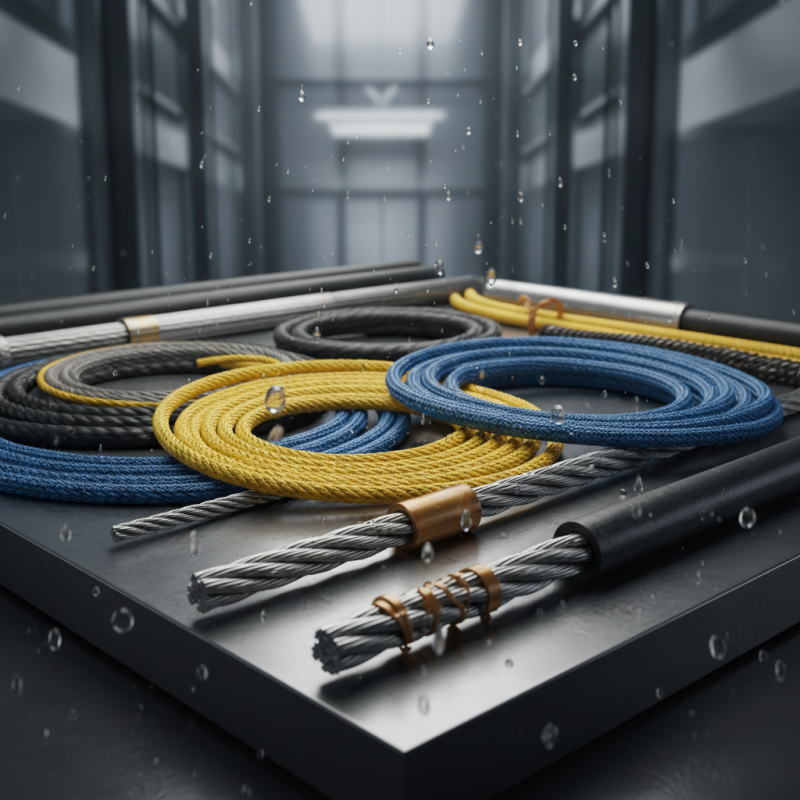
When it comes to choosing the best Elevator Rope, several factors come into play. The type of elevator and its usage will greatly influence your selection. Steel cables, for example, are common in many buildings. However, synthetic ropes offer unique advantages too. An ideal Elevator Rope should balance strength and flexibility.
Consider the environment where the elevator operates. Harsh weather or high traffic areas might require specific materials. Understanding these factors can help in making a well-informed decision.
Many options are available, but not all will meet your needs perfectly. There might be limitations with certain types that require reflection. Choosing the right Elevator Rope could significantly impact safety and functionality. Therefore, taking the time to explore all possible options is essential. A thoughtful approach will lead to better outcomes.
2026 Elevator Rope Overview: Types and Applications in the Industry
In the elevator industry, rope choices are crucial. Different applications require specific types. Understanding these options helps ensure safety and performance. According to a 2021 industry report, the global elevator rope market is expected to reach $1.2 billion by 2026. This growth highlights the demand for tailored solutions.
There are several rope types used in elevators. Steel wire ropes are commonly favored for their durability and strength. Synthetic ropes, on the other hand, are gaining traction due to their lightweight nature. They offer resistance to corrosion, making them suitable for different environments. A 2022 study indicated that synthetic ropes could reduce energy consumption by up to 15%. However, they may not always perform as well in extreme temperatures.
Choosing the right rope isn't straightforward. Each project has unique demands. Factors like load capacity and installation environment affect decisions. Not considering these can lead to costly mistakes. Often, companies overlook the importance of ongoing maintenance. Regular inspections are vital for ensuring safety and efficiency. The wrong choice can have serious consequences for operations.
Material Comparisons: Steel vs. Synthetic Ropes for Elevators
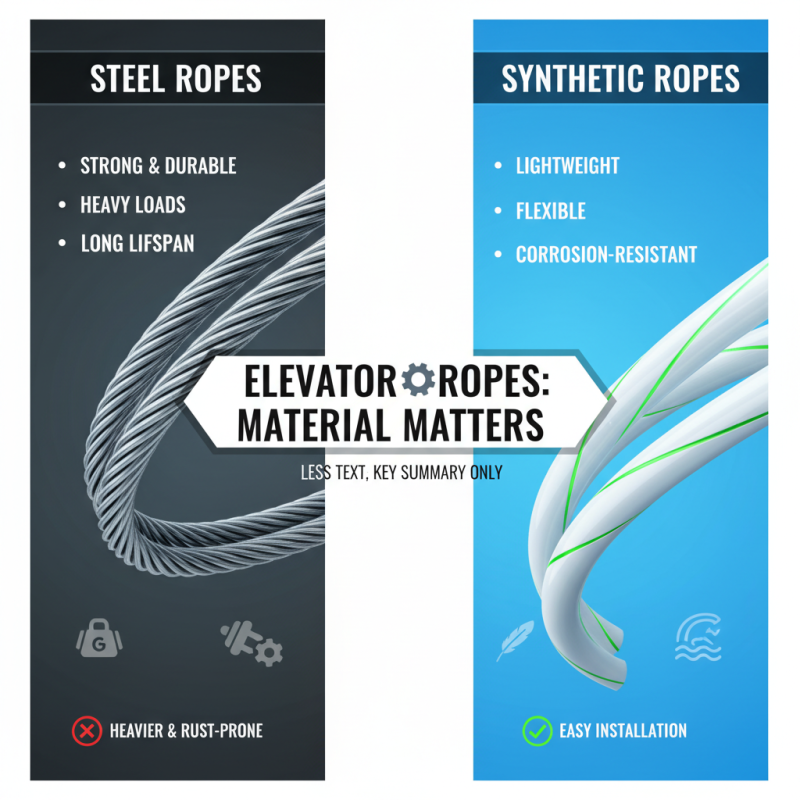
When choosing elevator ropes, material matters significantly. Steel ropes and synthetic ropes each have unique advantages. Steel ropes are strong and durable, great for heavy loads. They often withstand wear better and have a long lifespan. However, they can be heavier and prone to rust.
Synthetic ropes are lighter and easier to handle. They resist moisture and corrosion, making them suitable for humid environments. Yet, they might not support as much weight as steel ropes. Consider your specific needs. Think about the environment and the elevator's purpose.
Tips for selection: Look at the load capacity. Ensure it matches your elevator's requirements. Inspect the installation process for both materials. Some may require special equipment. Regular maintenance is essential for both types. Examine ropes for wear and tear frequently. Ropes can sometimes wear out unevenly, leading to sudden failures. Choose carefully!
Load Capacity and Safety Standards for Elevator Ropes
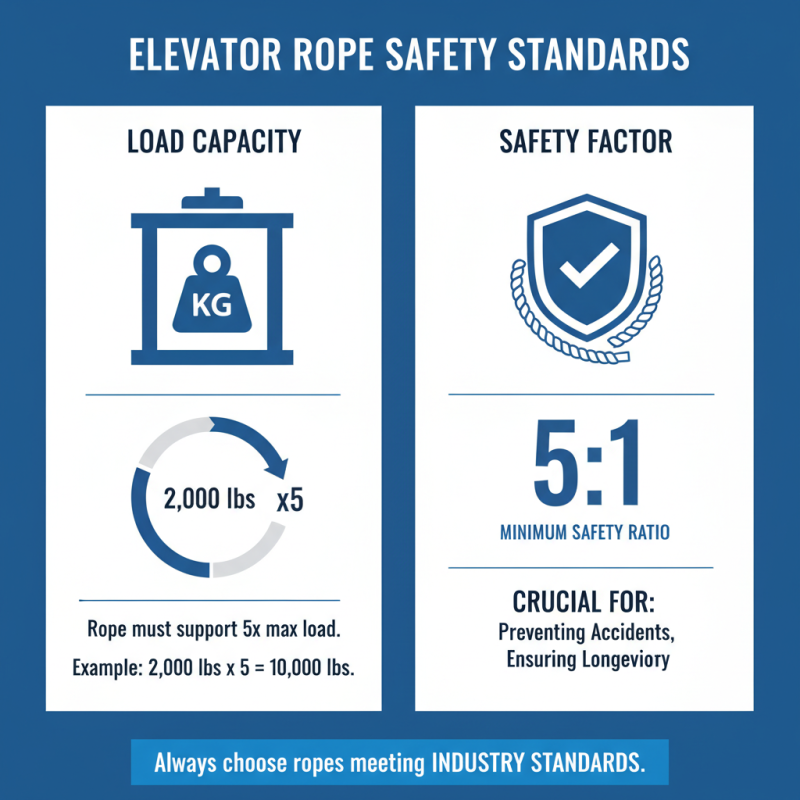
When selecting the best elevator rope, load capacity and safety standards are paramount. Choosing the right rope involves understanding its limitations. Industry reports indicate that elevator ropes should safely support at least five times the maximum load they will carry. For instance, if an elevator is designed for a load of 2,000 pounds, the rope should handle up to 10,000 pounds. This safety factor is crucial in preventing accidents and ensuring longevity.
The International Organization for Standardization (ISO) provides guidelines on minimum safety standards for elevator systems. According to recent data, compliance with these standards reduces the likelihood of catastrophic failures. However, not all manufacturers adhere to these protocols. Poorly maintained ropes can fray and weaken over time. Regular inspections are vital but often overlooked. Operators must prioritize maintenance to prolong rope life and ensure passenger safety.
When considering your elevator system’s design, load capacity must align with real-world applications. Mismatched specifications can lead to serious issues. Understanding the technical aspects of rope materials and their performance under stress can make a significant difference. Ignoring these factors may seem acceptable until safety concerns arise. Therefore, prioritizing load capacity and safety standards is essential for any elevator installation.
Innovations in Elevator Rope Technology for Enhanced Performance
Innovations in elevator rope technology are changing the industry. New materials like synthetic fibers are lighter and more durable. These ropes can handle higher loads and last longer than traditional options. Enhanced performance is a driving factor in their development.
Resilient designs are crucial. Modern ropes feature better grip and reduced slippage. This leads to improved safety for users. However, these advancements come with challenges. Manufacturers must ensure that new materials are environmentally friendly. Additionally, testing these innovations can be complex and costly.
Another area of innovation is smart sensors embedded in ropes. These sensors can monitor wear and tear in real-time. This allows for timely maintenance, preventing potential accidents. Yet, reliance on technology can also raise concerns. What happens if the sensors fail? These are the questions the industry must address as it moves forward.
2026 Best Elevator Rope Options
The following chart illustrates the performance metrics of various elevator rope materials in 2026, including tensile strength, weight, and flexibility.
Maintenance Practices to Extend the Lifespan of Elevator Ropes
Elevator ropes play a crucial role in ensuring safety and efficiency. Regular maintenance practices can significantly extend their lifespan. Neglecting these practices can lead to costly repairs and unsafe conditions.
One effective maintenance tip is to perform regular inspections. Check for signs of wear such as fraying or corrosion. These issues can develop quickly. Ignoring them may result in sudden failures. Ensure the ropes are tightened correctly and that pulleys are free of debris.
Lubrication can help reduce friction and wear. Use the recommended lubricants sparingly. Too much lubricant can attract dirt and grime, which might accelerate wear. Cleaning the ropes regularly is essential. Dirt buildup can weaken the fibers.
Remember, keeping a log of inspections and maintenance is helpful. It’s easy to forget details over time. This log can guide future maintenance and highlight patterns. Reflect on your practices and be proactive about potential problems. In the long run, these habits will pay off.
2026 Best Elevator Rope Options for Your Needs? - Maintenance Practices to Extend the Lifespan of Elevator Ropes
| Rope Type |
Advantages |
Maintenance Frequency |
Lifespan (Years) |
| Steel Wire Rope |
High strength, good wear resistance |
Monthly inspections |
10-15 |
| Synthetic Rope |
Lightweight, corrosion-resistant |
Quarterly inspections |
7-10 |
| Fiber Rope |
Flexible, excellent shock absorption |
Biannual inspections |
5-8 |
| Coated Wire Rope |
Enhanced protection, rust-resistant |
Monthly inspections |
8-12 |