How to Choose the Best 316l Stainless Steel Pipe for Your Needs?
Choosing the right 316l Stainless Steel Pipe can be a challenging task. With so many options available, it’s essential to understand the specific applications and industries that utilize this material. Industry expert Dr. Mark Chen emphasizes, “Quality and durability in 316l Stainless Steel Pipes matter more than many realize.” His insights underline the importance of selecting pipes that meet both mechanical and chemical requirements.
When selecting a 316l Stainless Steel Pipe, consider the environmental factors it will face. These pipes are known for their resistance to corrosion, especially in harsh environments. It's crucial to assess your project's needs carefully. Factors such as temperature, pressure, and exposure to chemicals play significant roles. Ensure that the pipe's specifications align with your project requirements.
It’s also important to reflect on the supplier's credibility. A reliable source can greatly impact the quality of the pipe. Look for suppliers with extensive industry experience. Their reputation can often reflect the quality of the 316l Stainless Steel Pipe provided. Remember, investing in the right pipe can prevent future problems and costly repairs.
Understanding the Properties of 316L Stainless Steel Pipe
When considering 316L stainless steel pipes, it's essential to understand their unique properties. These pipes are known for high corrosion resistance. They perform well in harsh environments, like marine applications, and resist pitting from chlorides. That makes them a popular choice in chemical processing industries.
However, not all 316L pipes are created equal. The gauge of the pipe can affect its strength and flexibility. You’ll find variations in wall thickness that might influence your project. Some might be tempted to choose a thinner pipe to save costs. This could lead to unexpected issues down the road, like reduced durability.
Another point to ponder is the pipe's temperature resistance. While 316L can withstand high temperatures, exceeding certain limits may weaken its structure. This analysis is crucial for specific applications where heat is a factor. Relying solely on general information might lead to mistakes. Dive deeper into specifications, and you’ll make a more informed choice.
How to Choose the Best 316l Stainless Steel Pipe for Your Needs?
| Property |
Description |
Importance |
| Corrosion Resistance |
Excellent resistance to corrosion in a wide range of harsh environments, including marine and chemical settings. |
High |
| Durability |
Strong and durable, suitable for applications requiring high strength-to-weight ratio. |
High |
| Temperature Resistance |
Capable of withstanding high temperatures without losing structural integrity. |
Medium |
| Weldability |
Easily weldable, making it a preferred choice for various fabrication processes. |
High |
| Formability |
Good formability, allowing for manufacturing of pipes in various shapes and sizes. |
Medium |
| Cost |
Generally more expensive than other stainless steel grades due to higher nickel content. |
Medium |
Identifying Your Specific Application Requirements
When selecting a 316L stainless steel pipe, understanding your specific application is crucial. Different industries have varied needs, from corrosion resistance to high-temperature performance. For instance, marine applications often demand greater corrosion resistance. In this case, 316L is preferable due to its molybdenum content.
Consider the environment where the pipe will be used. Is it exposed to saltwater, chemicals, or extreme temperatures? Gathering this information helps narrow down your options. It might seem straightforward, yet overlooking minor details can lead to significant issues later. For example, using a pipe unsuitable for high pressure can result in leaks or failure.
Don't forget about the size and thickness of the pipe. Proper sizing is essential for efficiency and safety. Yet, it’s easy to miscalculate the measurements. Investing time in understanding your requirement might seem tedious, but it pays off. Inadequate thickness could lead to early wear and costly replacements. Leverage industry guidelines or consult experts if you're unsure. This will save you headaches in the future and ensure you choose the best pipe for your needs.
Stainless Steel Pipe Selection Criteria
Evaluating Compatibility with Environmental Conditions
When selecting 316L stainless steel pipes, evaluating their compatibility with environmental conditions is crucial. This alloy offers excellent resistance to corrosion, particularly in chloride-rich environments. According to industry reports, about 70% of stainless steel failures are due to improper material selection. Understanding the specific conditions your pipes will face can significantly improve their longevity.
Environmental factors such as temperature, humidity, and exposure to chemicals must be assessed. For instance, in coastal areas, the presence of salt can accelerate corrosion. Research indicates that under these conditions, corrosion rates can exceed 0.5 mm per year if not correctly managed. Choosing a pipe that meets the expected service life in a given environment prevents costly replacements and enhances system reliability.
It's also essential to consider the potential for localized corrosion, such as pitting or crevice corrosion. While 316L stainless steel is robust, it is not immune to these issues. An evaluation of past performance data reveals that certain installations have reported unexpected failures. This highlights the importance of not only choosing the right material but also understanding its limitations in challenging settings. Assess your specific needs carefully to avoid pitfalls down the line.
Comparing Manufacturing Standards and Quality Certifications
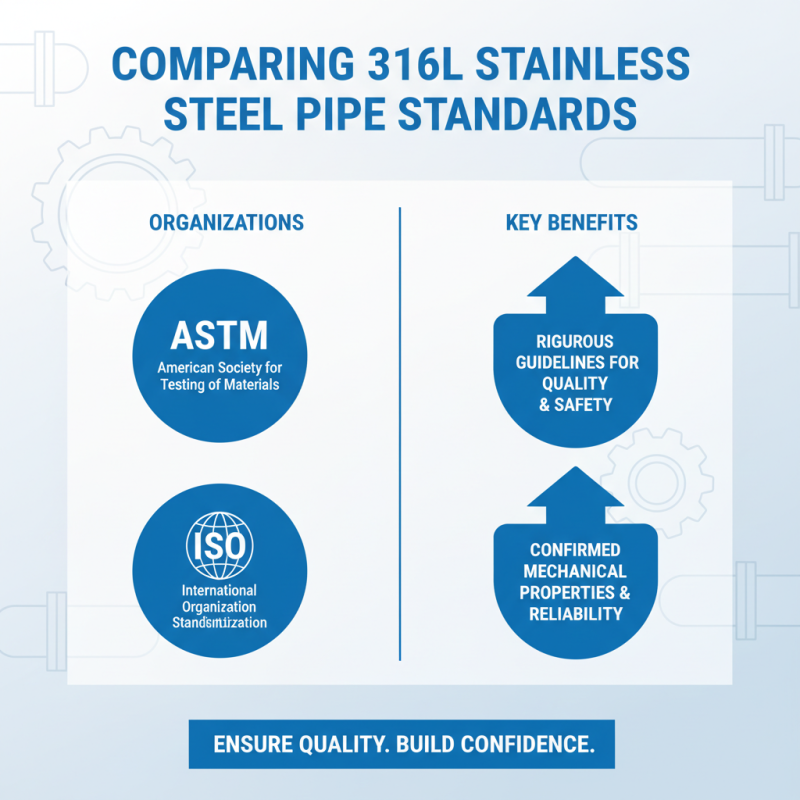
When selecting a 316L stainless steel pipe, understanding manufacturing standards is crucial. Various organizations establish guidelines for quality and safety. The ASTM (American Society for Testing and Materials) and ISO (International Organization for Standardization) are recognized for their rigorous standards. These certifications ensure that the materials meet specific mechanical properties. Knowing about these standards builds confidence in your choice.
Quality certifications play an essential role in selecting the right pipe. Look for pipes that have been certified by independent testing bodies. These certifications confirm the materials' resistance to corrosion and other environmental factors. However, not all products meet these standards consistently. Some manufacturers may cut corners during production. This inconsistency can lead to potential failures in critical applications, so being diligent in research is vital.
It’s important to evaluate both the source and reputation of the manufacturer. A company with extensive experience in stainless steel production often adheres to stricter quality controls. Customer reviews can provide insight, but they are not always reliable. Sometimes, feedback can be exaggerated or biased. Thus, thorough background checks can prevent costly mistakes in your project. Paying attention to these details ensures a better fit for your specific needs.
Assessing Cost and Supplier Reliability
When choosing 316L stainless steel pipes, assessing supplier reliability is crucial. A trustworthy supplier should provide consistent quality and timely delivery. Look for suppliers with solid reviews and proven track records. Engage with their past clients to gauge experience and satisfaction. This feedback can illuminate a supplier's ability to meet your specific requirements.
Cost is another key factor. While the lowest price seems appealing, it may indicate compromised quality. Consider the long-term value of the pipe rather than upfront costs. A reliable supplier will balance competitive pricing with high-quality materials. Asking for quotes from multiple vendors can help, but don’t ignore the importance of reputation.
Examine the certifications and standards a supplier adheres to. Industry certifications often reveal their commitment to reliability and quality. Suppliers that invest in quality control processes often maintain better product consistency. While price and quality are essential, evaluating a supplier’s approach can lead to more informed decisions. Finding the right balance might take time and reflection, but it is essential for your project's success.