Why Choose Elevator Steel Wire Rope for Your Project Needs?
Elevator Steel Wire Rope plays a crucial role in vertical transportation systems. According to a report by the International Organization for Standardization (ISO), nearly 70% of elevator failures stem from subpar cable quality. This highlights the importance of selecting high-quality materials for safety and performance.
The demand for reliable Elevator Steel Wire Rope has surged as urban spaces expand. The global market for this type of wire rope is projected to grow by 5.5% annually. This growth is driven by the increasing need for modernized lifting solutions in skyscrapers and high-rise buildings.
However, not all wire ropes are created equal. Some may lack the durability required for high-stress applications. Choosing a rope that meets industry standards is essential for ensuring longevity and safety. The right Elevator Steel Wire Rope can mitigate risks and enhance operational efficiency, making it a vital consideration for any project.

Understanding Elevator Steel Wire Rope and Its Importance
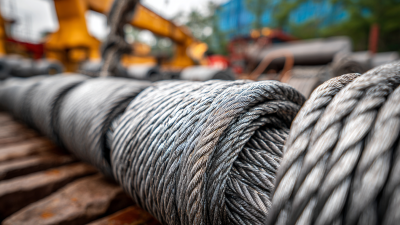
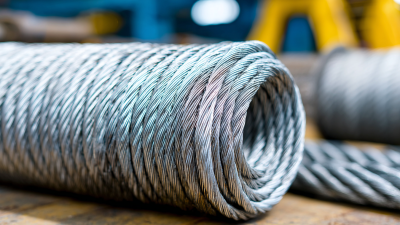
Elevator steel wire rope is crucial for modern vertical transportation systems. Understanding its materials and construction is key. These ropes are typically made from high-quality steel wires, which ensure durability and strength. The design involves multiple strands, twisted together to enhance flexibility and load-bearing capacity. This structure allows the ropes to handle heavy loads while minimizing wear and tear.
The importance of elevator steel wire rope cannot be overstated. It plays a critical role in safety and efficiency in elevators. Regular inspections and maintenance are essential to ensure these ropes remain in optimal condition. Poorly maintained ropes can lead to accidents and costly downtime. Evaluating the ropes experience and reliability is vital for any project. Investing in high-quality wire ropes can minimize these risks.
While steel wire ropes are designed for longevity, they are not invincible. Environmental factors like humidity and temperature can affect performance. Understanding these vulnerabilities allows for better project planning. Careful selection based on specific project needs will lead to improved outcomes. This awareness can help ensure safe and reliable elevator operation over time.
Importance of Elevator Steel Wire Rope in Various Applications
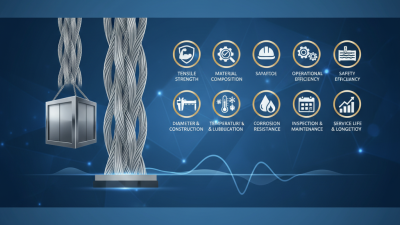
This chart illustrates the importance levels of various factors concerning elevator steel wire ropes. Strength and durability are critical for safety and performance, while flexibility and cost efficiency are also essential considerations for project planning.
Key Benefits of Using Steel Wire Rope for Elevators
Choosing steel wire rope for elevators offers numerous advantages. Steel wire ropes are known for their strength and durability. They can handle heavy loads while providing low stretch, making them ideal for high-rise buildings. Elevators require dependable support systems, and steel wire ropes excel in this area.
One key benefit is resistance to wear and tear. Steel wire ropes undergo rigorous testing to ensure they meet industry standards. With their robust construction, they can withstand harsh conditions and frequent use. This reduces the need for frequent replacements and maintenance, ultimately saving costs.
Moreover, steel wire ropes have a high safety factor. They are designed to bear loads far exceeding everyday requirements. This built-in safety margin brings peace of mind to both developers and users. However, the selection process can be complex. Evaluating specific project needs is crucial. Choosing the wrong specifications can lead to failures or inefficiencies. Regular inspections and maintenance are also necessary for optimal performance.
Why Choose Elevator Steel Wire Rope for Your Project Needs? - Key Benefits of Using Steel Wire Rope for Elevators
| Feature |
Description |
Benefits |
| High Strength |
Steel wire ropes offer exceptional tensile strength and load-bearing capacity. |
Enables elevators to lift heavier loads efficiently and safely. |
| Durability |
Highly resistant to wear and tear, corrosion, and environmental factors. |
Longer lifespan reduces replacement frequency and maintenance costs. |
| Flexibility |
Can be designed with various configurations to suit different elevator systems. |
Versatility in design allows for customization based on project requirements. |
| Cost-Effectiveness |
Provides a balance between initial costs and long-term performance. |
Reduces overall project costs due to durability and lower maintenance needs. |
| Safety |
Strict regulations and standards ensure safety compliance for steel ropes. |
Increases user confidence and reduces the risk of accidents during operation. |
Factors to Consider When Choosing Steel Wire Rope
When selecting steel wire rope for your project, several factors play a crucial role. The diameter of the rope is one of the most important considerations.
Larger diameters can handle more weight, but they may also add unnecessary bulk. According to industry reports, ropes with diameters between 8 mm and 12 mm
are common for elevator applications. This range strikes a balance between strength and manageability.
Another key factor is the construction of the wire rope. The rope's construction defines its flexibility and load-bearing capacity. For instance, a 6x19 wire
rope has a flexible design that is suitable for various applications, whereas a 6x36 design offers more strength. The choice ultimately depends on the specific
needs of the project. A less flexible rope may be necessary for elevators requiring precision and stability.
Finally, consider the material properties. Steel wire ropes can face corrosion and wear from environmental factors. Reports indicate that galvanized steel can
enhance durability, extending the rope's lifespan. However, this may not always be the best choice for all environments. Each project requires careful evaluation
of these factors to ensure reliability and safety.
Comparing Steel Wire Rope to Other Materials for Elevators
When it comes to elevator systems, the choice of materials is crucial. Steel wire rope stands out among alternatives, providing strength and resilience. Compared to synthetic ropes, steel wire ropes offer superior load-bearing capabilities. They can handle heavyweights without compromising safety.
Elevator operation relies on durability. Steel wire ropes resist wear and tear much better than nylon or polyester. This durability translates to lower maintenance costs over time. However, one should consider proper installation and regular inspections to avoid potential issues. Unattended wear could lead to unexpected failures.
Tip: Always choose the right diameter for your wire rope. This choice affects performance and safety. Smaller diameters may save space but compromise strength.
Additionally, it's essential to factor in environmental conditions. Steel can corrode if exposed to moisture. A protective coating can greatly enhance longevity. Yet, coatings might require regular checks, adding another layer to maintenance considerations.
Tip: Implement a rigorous inspection schedule. Frequent checks help to catch early signs of wear, preventing larger problems down the line. In a constantly evolving industry, staying informed is key to making the best choices.
Maintenance and Safety Tips for Elevator Steel Wire Rope
Elevator steel wire ropes are crucial for safety and efficiency. Regular maintenance is essential to avoid potential hazards. Inspect the ropes frequently for signs of wear or fraying. Any visible damage could indicate a need for replacement. A small issue can escalate quickly, causing operational failures.
Lubrication of the wire ropes is equally important. It helps reduce friction and prevents rust. However, too much lubricant can attract dirt, leading to further issues. Finding the right balance is a challenge. Regular cleaning is vital, as dirt accumulation can cause rope deterioration.
Consider the installation environment as well. Factors like humidity and temperature can affect rope functionality. High humidity can lead to faster corrosion. Implementing protective measures, like shields or covers, can extend the rope’s lifespan. Every project has its unique challenges, requiring ongoing evaluation and adjustment.