How to Choose the Right 316 Stainless Steel Plate for Your Needs?
Choosing the right 316 Stainless Steel Plate is crucial for various applications. It is known for its excellent corrosion resistance. This makes it suitable for marine and chemical environments. However, not all 316 stainless steel plates are created equal. Different manufacturers may offer varying qualities and specifications. Understanding these differences can directly impact your project's success.
When selecting a 316 Stainless Steel Plate, consider factors such as thickness and finish. The right thickness ensures durability. A proper finish can enhance both appearance and performance. It’s essential to evaluate the intended use. Will it be in a high-humidity area? Or exposed to harsh chemicals? Assessing these conditions will guide your choice.
Reflect on your project's requirements. Do you have the necessary expertise to make an informed decision? Sometimes, it’s beneficial to consult industry professionals. They can provide insights about reputable suppliers and industry standards. Your choice of a 316 Stainless Steel Plate can influence both short-term results and long-term success.

Understanding the Characteristics of 316 Stainless Steel Plates
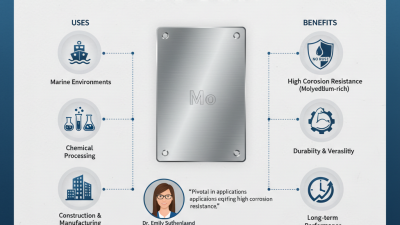
When selecting a 316 stainless steel plate, understanding its characteristics is essential. This type of stainless steel contains molybdenum, which improves corrosion resistance, particularly in chloride environments. Its toughness and strength make it suitable for a range of applications. Because of these attributes, 316 stainless steel is commonly used in marine environments and chemical processing. However, its relatively high cost can pose a challenge for budget-conscious projects.
The finish of the plate also matters. A smooth surface can enhance corrosion resistance but may require more processing. Conversely, a rough finish might be easier to manufacture but could lead to rust over time. Evaluating these factors is crucial in ensuring long-term performance and reliability. It's advisable to consider the specific conditions where the plate will be used. Even small details, such as expected exposure to chemicals, can affect your choice.
Another aspect to reflect on is the thickness of the plate. Thinner plates are lighter and easier to work with but may not offer the strength needed for heavy-duty applications. In contrast, thicker plates provide durability but can be cumbersome and more expensive. Balancing these factors can be complex but is vital for making an informed decision.
Identifying Your Specific Application Requirements and Conditions
Choosing the right 316 stainless steel plate hinges on understanding specific application requirements. Assessing factors like environmental conditions, mechanical loads, and corrosion resistance is critical. For instance, industries that operate in highly corrosive environments, such as marine or chemical, benefit from 316’s enhanced resistance. According to a 2021 industry report, corrosion-related failures in stainless steel applications account for approximately 25% of total maintenance costs.
When considering mechanical properties, the plate's thickness and tensile strength must align with project needs. The American Society for Testing and Materials (ASTM) indicates that tensile strength for 316 stainless steel ranges between 70,000 to 100,000 psi. A mismatch here can lead to structural failures. Designers often overlook the potential impacts of thermal expansion and contraction, which can occur in extreme temperatures.
Finally, evaluating the specific application plays a pivotal role. Different setups may require varying finishes or thicknesses. Selecting the wrong configuration can lead to inefficiencies and increased costs. Continuous evaluation and learning from past experiences can refine the selection process. Engaging with experienced professionals can further enhance decision-making, ensuring resources are effectively utilized.
Assessing Thickness and Size Dimensions for Optimal Performance
Choosing the right thickness and size for 316 stainless steel plates is crucial for your project's success.
Thickness impacts strength and resistance to corrosion. For structural applications, a thickness between
1/8 inch to 1/2 inch may be ideal. Thicker plates can withstand greater stresses
but are also heavier and more expensive. Balancing weight and strength can be challenging, so it is wise to
assess your specific needs carefully.
Size dimensions play a vital role as well. Common sheet sizes include 4x8 feet, but custom
sizes are available. Consider the project's layout when selecting dimensions. An oversized plate can lead
to excessive waste, while undersized plates may not provide adequate coverage. It's often beneficial to
consult with experts before making a decision. Their experience can help steer you toward the optimal
dimensions for your project.
Inadequate planning regarding thickness and size can lead to delays and costly errors. A small oversight
in measurement can ruin the fit. Always double-check your specifications. A well-thought-out selection
process, informed by reliable sources, can enhance the performance of your stainless steel applications.
Evaluating Surface Finishes and Their Impact on Durability
When selecting a 316 stainless steel plate, surface finish plays a crucial role in durability and corrosion resistance. Different finishes can dramatically influence the performance of stainless steel in various environments. A report by the International Stainless Steel Forum indicates that a better surface finish can increase resistance to pitting corrosion, making it essential for marine applications.
For instance, a polished finish can provide a shinier appearance, but it might be less effective in hostile environments compared to a bead-blasted or passivated surface. Bead-blasting improves the surface texture, enhancing resistance to corrosion when plates are exposed to harsh chemicals. The right finish can significantly extend the service life of steel components, leading to reduced maintenance costs.
Consider these practical points when choosing your finish: evaluate the specific environmental conditions your plate will face, including exposure to saltwater or chemicals. Examine your application's aesthetic requirements too. An appealing finish can be important for public-facing installations. Assess how a finish's durability aligns with your budget and long-term goals. A balance between appearance and performance often yields the best outcomes.
How to Choose the Right 316 Stainless Steel Plate for Your Needs? - Evaluating Surface Finishes and Their Impact on Durability
| Finish Type |
Surface Roughness (Ra) |
Corrosion Resistance |
Applications |
Durability Rating |
| No. 1 Finish |
3.2-6.3 µm |
Moderate |
Industrial applications |
3/5 |
| No. 4 Finish |
0.5-1.5 µm |
Good |
Food processing, residential |
4/5 |
| Brushed Finish |
0.2-0.6 µm |
Excellent |
Architectural applications |
5/5 |
| Mirror Finish |
<0.1 µm |
Superior |
Decorative applications, jewelry |
5/5 |
| Electropolished Finish |
<0.1 µm |
Outstanding |
Pharmaceutical, medical fields |
5/5 |
Considering Cost Factors and Supplier Options for Purchasing
When choosing a 316 stainless steel plate, cost factors are crucial. Prices can vary significantly based on market fluctuations and supplier pricing strategies. Understanding your budget helps you narrow down your options. Sometimes, the cheapest choice may lead to compromises in quality. Evaluate what you need the plate for. Will it encounter harsh environments? If so, think twice about going for the lowest price. Investing in quality often pays off in the long run.
Supplier options are equally important. Research potential suppliers thoroughly. Look for those with a strong reputation and good customer reviews. A reliable supplier should have quality certifications. Ask about their sourcing practices. Do they use high-quality raw materials? This can impact longevity and performance. Having a dependable supplier can also provide support for any issues post-purchase. Don't hesitate to reach out for samples before making a large order. This ensures you receive the right product.
Reflecting on both cost and supplier reliability can lead to better decisions. Balancing these factors may require some back-and-forth. Sometimes, taking more time to choose wisely pays off more than rushing into purchasing. An informed choice today can save you headaches tomorrow.