How to Choose 304 Stainless Steel Flanges for Your Projects?
Choosing the right flanges is crucial for any project involving piping systems. Experts emphasize the importance of high-quality materials and design. Mark Johnson, a renowned consultant in the stainless steel industry, states, “304 Stainless Steel Flanges offer great corrosion resistance and strength, making them ideal for a range of applications.”
When selecting 304 Stainless Steel Flanges, various factors come into play. You have to consider the environment and fluid type. The right flange must withstand pressures and temperatures specific to your needs. Furthermore, quality should never be compromised, as poor choices can lead to costly repairs.
Many project managers overlook specific details, like proper sealing and installation methods. It’s essential to ensure that materials are compatible with your piping system. Each project is unique, and what worked before may not be the best choice now. Therefore, taking the time to evaluate your options will pay off in the long run. Ultimately, making informed decisions on 304 Stainless Steel Flanges can lead to durable and efficient systems.

Factors to Consider When Selecting 304 Stainless Steel Flanges
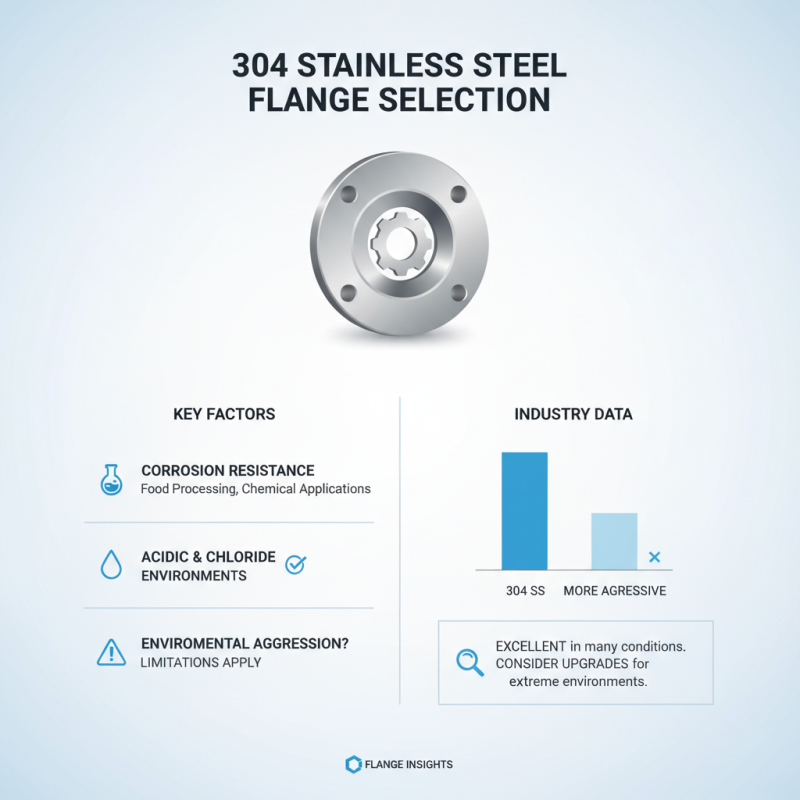
When selecting 304 stainless steel flanges, several factors must be evaluated. The material’s corrosion resistance is crucial. 304 stainless steel offers excellent resistance in environments like food processing and chemical applications. According to industry data, this type of stainless steel is effective in resisting corrosion from acidic and chloride-rich conditions. However, if the flanges will be used in more aggressive environments, one might consider the limitations of 304 stainless steel.
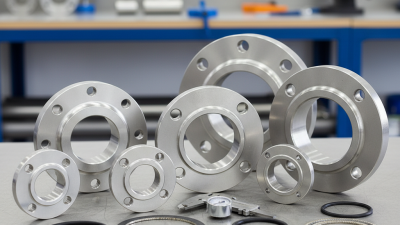
Another key factor is the flange type and pressure rating. 304 flanges come in various configurations such as slip-on, weld neck, and blind. Each type serves a different purpose, especially in high-pressure systems. The American Society of Mechanical Engineers (ASME) outlines specific pressure ratings that can impact performance. Understanding these requirements is vital. Some users might overlook these specifications, leading to potential failures down the line.
Finally, pay attention to the dimensions and standards of the flanges. Compliance with ANSI or ASME standards ensures proper fitting and leak prevention. Different projects require different dimensions, making it essential to match the design requirements accurately. Accurate measurements prevent waste and promote efficiency in installation. Neglecting these details could lead to costly mistakes.
Understanding Different Types of 304 Stainless Steel Flanges
When selecting 304 stainless steel flanges, understanding the different types is crucial. 304 flanges are commonly used in construction and manufacturing due to their excellent corrosion resistance. These flanges typically come in various types, including slip-on, weld neck, and blind flanges. Each type has specific applications and strengths.
Slip-on flanges are easy to install and often used in low-pressure systems. They're ideal for projects where quick assembly is important. On the other hand, weld neck flanges are preferred for high-pressure applications. They offer robust support and are welded directly to the pipe, making them more durable under extreme conditions. Blind flanges serve as a cover for pipe ends, making them essential for systems requiring future expansion or maintenance.
Tips: Consider the environment where the flanges will be used. According to industry reports, the right type can enhance performance significantly. Always evaluate the pressure ratings and temperatures your project requires. Factors like these can impact both safety and longevity. Choosing the wrong type may lead to trouble down the line. Consult with a professional to ensure your selection aligns with project specifications.
How to Choose 304 Stainless Steel Flanges for Your Projects?
| Type of Flange |
Pressure Rating |
Size (Inches) |
Thickness (mm) |
Corrosion Resistance |
| Slip-On Flange |
150 PSI |
1" - 24" |
5.0 - 20.0 |
Good |
| Weld Neck Flange |
300 PSI |
1" - 30" |
8.0 - 34.0 |
Excellent |
| Blind Flange |
150 PSI |
1" - 48" |
10.0 - 40.0 |
Good |
| Socket Weld Flange |
600 PSI |
1" - 4" |
2.0 - 4.0 |
Very Good |
| Threaded Flange |
150 PSI |
1" - 10" |
5.0 - 10.0 |
Good |
Evaluating the Specifications of 304 Stainless Steel Flanges
When considering 304 stainless steel flanges for your projects, evaluating specifications is crucial. 304 stainless steel is well-known for its excellent corrosion resistance, which is vital in various industries. According to a report by the International Stainless Steel Forum, 304 stainless steel accounts for about 50% of all stainless steel production. This figure speaks volumes about its widespread use and reliability.
Thickness is an essential specification. The standard thickness varies from 1/4 inch to 2 inches, affecting strength and pressure ratings. A flange that is too thin may not withstand high pressures, leading to potential failures. Reports suggest that a minimum thickness of 3/8 inch is advisable for high-pressure applications. This highlights the need for careful consideration of intended use.
Another factor to evaluate is the temperature range. 304 stainless steel flanges can operate effectively from -420°F to 1500°F. Users sometimes overlook the importance of thermal expansion, which can cause stress in high-temperature environments. An overlooked issue can lead to catastrophic failures, emphasizing the need for thorough performance evaluations. Understanding these specifications ensures you make informed decisions in your choices.
Common Applications of 304 Stainless Steel Flanges
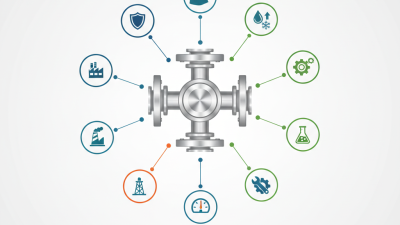
304 stainless steel flanges are widely used in various applications. These flanges are known for their excellent corrosion resistance and durability. They are often employed in food processing, chemical industries, and plumbing systems. In food processing, they help maintain hygiene standards. Their smooth surfaces prevent bacteria growth, ensuring food safety.
In the chemical industry, 304 stainless steel flanges withstand harsh environments. They resist oxidation, making them suitable for transporting chemicals. Plumbing systems benefit from these flanges due to their strength and reliability. However, it is essential to consider the specific conditions they will face. High chlorides can lead to pitting corrosion, limiting their use in certain situations.
Choosing the right flange for your project can be tricky. Experience and knowledge play crucial roles in making informed decisions. Proper installation is vital to ensure a leak-free system. Reflecting on past projects can provide valuable insights for future choices.