Choosing the right Elevator Steel Wire Rope is crucial for safety and performance. An elevator's efficiency heavily relies on the quality of its components. Elevator Steel Wire Rope must withstand heavy loads and endure continuous operation.
Many factors influence this choice. Consider the load capacity, tensile strength, and environmental conditions. A rope that is too weak can lead to failures. It is essential to match the rope's specifications with the specific elevator use.
Research different manufacturers and their standards. Quality varies widely in the market. Seek out reliable suppliers known for their expertise and trustworthiness. Selecting the right Elevator Steel Wire Rope can ensure the longevity of your elevator system. Investing time in this decision will pay off in safety and performance.
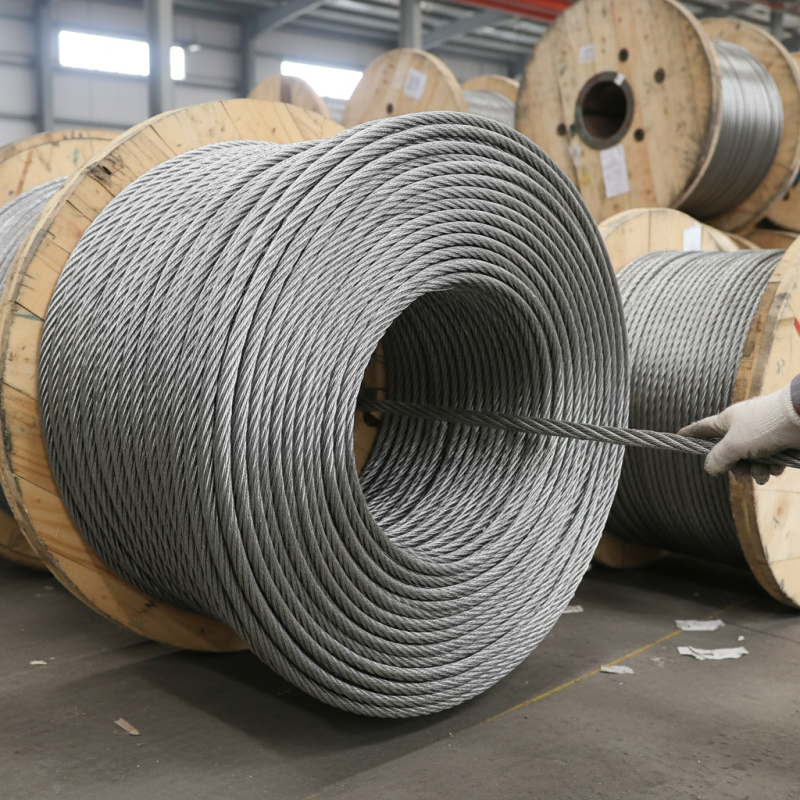
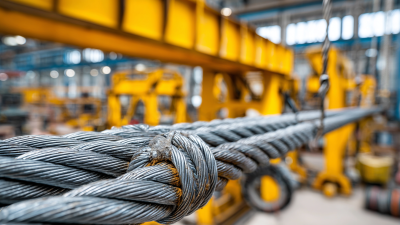
When selecting elevator steel wire rope, it’s crucial to evaluate several key factors. The first consideration is the rope's construction. Most elevator ropes are made of several strands, typically 6 or 8, twisted together. This design influences the rope’s flexibility and strength. According to a 2021 report by the Elevator World, correctly chosen rope construction ensures optimal performance and safety.
Another vital factor is the rope's diameter. A thicker rope can carry more weight, but it may also add unnecessary rigidity. The International Organization for Standardization (ISO) recommends that the diameter should correspond to the elevator’s load capacity. Performing calculations based on the specific load requirements can prevent potential failures.
Finally, inspect the material quality. Steel wire ropes undergo multiple treatments to enhance durability. Corrosion resistance is particularly important in diverse environments. Recent studies show that poorly selected materials lead to premature wear, raising maintenance costs by up to 20%. Pay attention to these details; they can mean the difference between a reliable elevator system and one prone to issues.
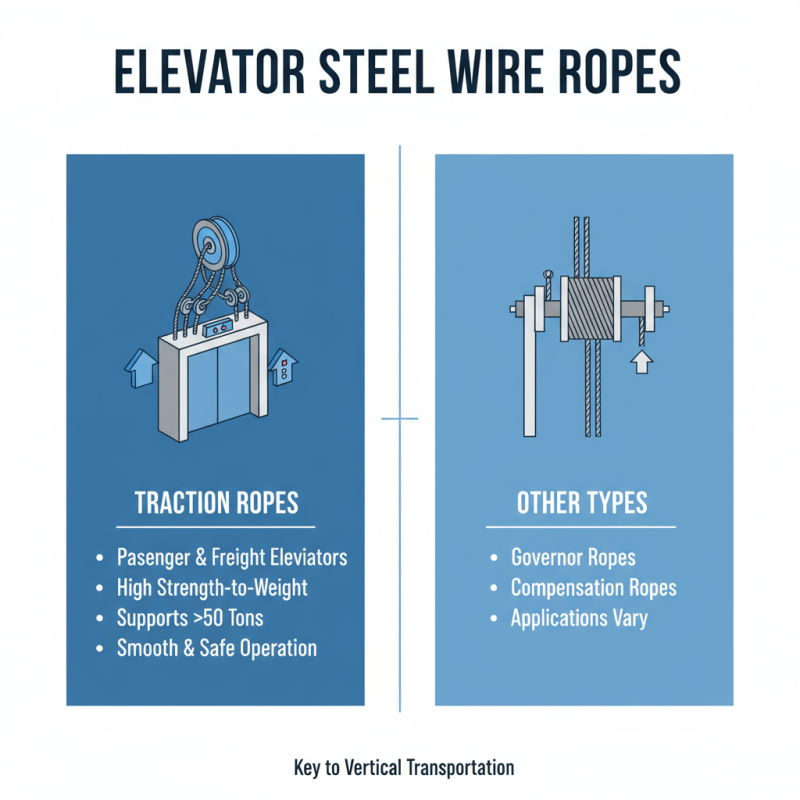
Elevator steel wire ropes come in various types, each suited for specific applications. Common types include traction ropes, which are widely used for passenger and freight elevators. They feature a high strength-to-weight ratio, making them efficient and durable. According to industry reports, these ropes can support loads exceeding 50 tons. Their design allows for smooth operation, increasing safety in vertical transportation.
Another category is the non-traction ropes. Often found in hydraulic elevators, they are designed for low-rise buildings. These ropes facilitate a ceiling-mounted mechanism that allows smoother vertical travel. However, they typically have lower load capacities, making them less suitable for high-demand environments. A study by the International Association of Elevator Engineers revealed that improper selection of wire ropes can result in a downtime increase of up to 30%, emphasizing the importance of choosing the right type.
Corrosion-resistant options are available, particularly for elevators in harsh environments, such as coastal areas or industrial settings. The right wire rope selection ensures both longevity and performance, but awareness of the specific conditions and loads is crucial. It is essential to consult the latest engineering guidelines when deciding, as each installation presents unique challenges.
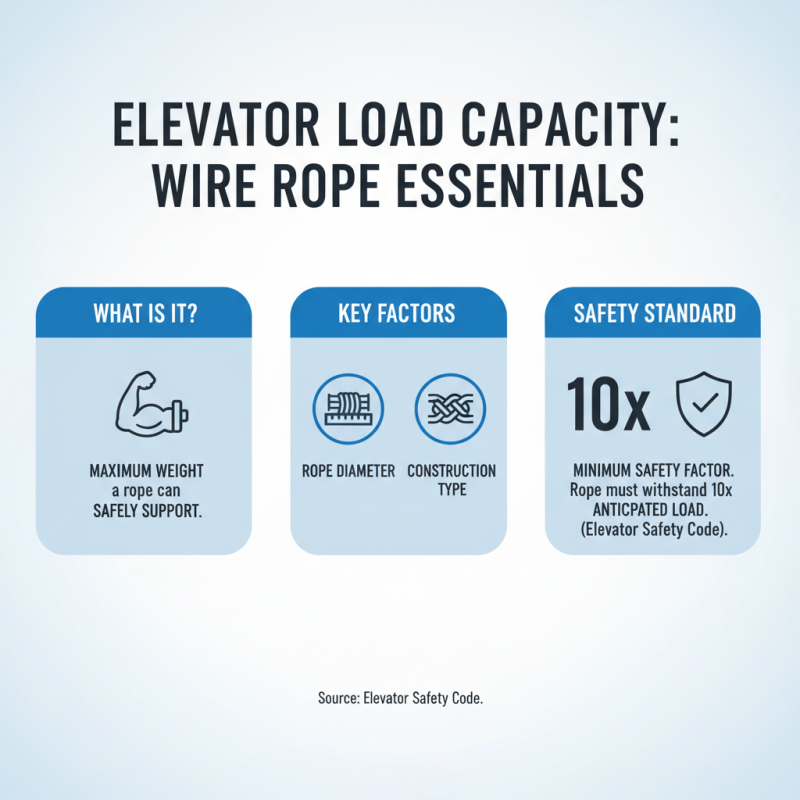
When selecting an elevator steel wire rope, understanding load capacity is crucial. Load capacity refers to the maximum weight a rope can safely support. According to the Elevator Safety Code, factors like rope diameter and construction type significantly influence this capacity. A common standard for elevators is a minimum safety factor of 10, meaning the rope should withstand ten times the anticipated load.
For instance, a typical passenger elevator that carries a load of 2,500 pounds should utilize a wire rope rated for at least 25,000 pounds. This accounts for not just the weight but also dynamic forces during operation. Reports indicate that improper load capacity assessment leads to increased wear on the rope. This can result in premature failures, causing safety hazards and costly downtime.
Moreover, evaluating the specific usage of the elevator is vital. Frequent stops and starts exert more force on the rope. The International Organization for Standardization (ISO) suggests that operational patterns must be considered. Understanding the intended use allows for better rope selection, which enhances safety and reliability, ultimately reflecting on maintenance costs. Balancing cost with safety should always be a priority in choosing the right wire rope.
When selecting the appropriate elevator steel wire rope, environmental conditions play a crucial role in ensuring durability. Factors such as humidity, temperature variations, and exposure to chemicals can significantly affect the performance of wire ropes. According to a report by the Wire Rope Association, corrosion resistance and tensile strength are critical properties that can be compromised in harsh environments. For example, in coastal areas, saltwater can accelerate corrosion, decreasing the wire rope's lifespan.
The impact of temperature is another significant concern. High temperatures can cause wire ropes to expand and lose their tensile strength, while extreme cold can lead to brittleness. Research shows that wire ropes used in temperatures below freezing may fracture under stress. Furthermore, physical abrasion from dust or debris, often overlooked, can gradually wear down the wire rope's surface. Protective coatings can mitigate these effects but may not fully eliminate them.
Choosing wire ropes with the right specifications is vital. Understanding the operating environment is equally important. Conducting regular inspections can also help in identifying potential wear issues early. This proactive approach can prevent unexpected failures and extend the rope's service life. Analyzing operational data and evaluation reports can provide deeper insights into the specific conditions affecting wire rope durability. Keeping these factors in mind can boost safety and operational efficiency in your elevator systems.
Elevator steel wire ropes are critical for safety and efficiency. To extend their lifespan, regular maintenance is essential. According to the International Organization for Standardization (ISO), improper care can reduce rope strength by as much as 40%. Here are some tips to help maintain your elevator steel wire ropes.
Inspect the ropes regularly, at least once a month. Look for any signs of wear, such as broken wires or abrasion. The American Society of Mechanical Engineers (ASME) recommends immediate action if you spot significant issues. Cleaning is just as vital. Use a wire brush to remove dirt and grease, which can cause rust and weaken the ropes over time.
Lubrication plays a significant role in maintaining the wire ropes. Applying the right lubricant helps to minimize friction and wear. However, too much lubricant can attract dirt, leading to further issues. Aim for a balanced approach. Environmental factors can also impact health. Humidity and temperature fluctuations should be monitored closely. Consider storage options that shield the ropes from harsh conditions. Regular maintenance checks not only promote safety but can significantly save on replacement costs. Neglecting this crucial aspect often leads to preventable failures.
| Feature | Description | Recommended Grade | Maintenance Tip |
|---|---|---|---|
| Material | Steel wire ropes are commonly made of high carbon steel for enhanced strength and durability. | 7x19 or 6x19 | Regularly inspect for wear and corrosion, and replace if necessary. |
| Diameter | The thickness of the wire rope; typically ranges from 8mm to 36mm. | Choose based on load requirements and manufacturing standards. | Maintain proper lubrication to reduce friction and wear. |
| Construction | Refers to the arrangement of wires in the rope; common types include 6x19, 7x19. | 7x19 for flexibility; 6x19 for heavy lifting. | Ensure proper tensioning to avoid excessive wear. |
| Load Capacity | The maximum load the wire rope can safely lift. | Depends on diameter and construction. | Do not exceed rated capacity to avoid damage. |
| Lifespan | The expected period of service under normal conditions, which can vary. | Typically 5 to 10 years. | Conduct routine inspections and replace as wear signs appear. |