How to Choose the Right Hoist Steel Wire Rope for Your Needs?
Choosing the right Hoist Steel Wire Rope is crucial for efficiency and safety in lifting operations. According to industry reports, over 30% of accidents in construction sites are linked to rope failure. This underlines the importance of selecting the correct rope type for specific applications.
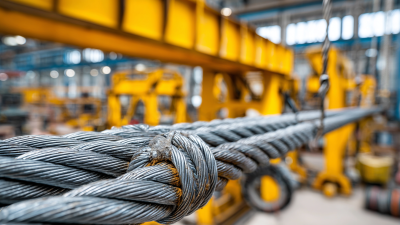
Hoist Steel Wire Rope comes in various sizes, constructions, and materials. Each choice has unique performance characteristics and load capacities. For instance, a 6x19 construction offers flexibility, making it suitable for applications with dynamic loads. This can prevent premature wear, boosting operational safety.
However, many users often overlook critical factors, such as rope diameter and breaking strength. This neglect can lead to potential hazards and inefficiencies. Choosing the wrong Hoist Steel Wire Rope may result in costly downtime or, worse, accidents. Awareness of these factors is vital to making an informed decision. Understanding the specific needs of your application will ensure optimal performance and safety.
Understanding Different Types of Hoist Steel Wire Ropes Available
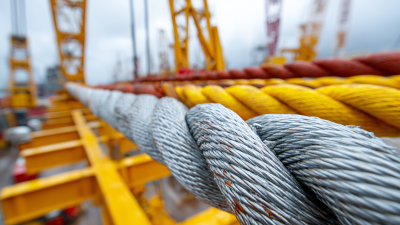
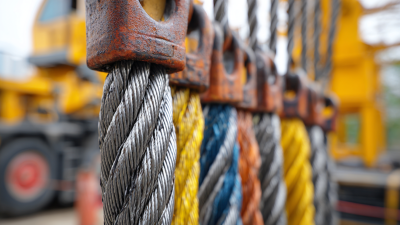
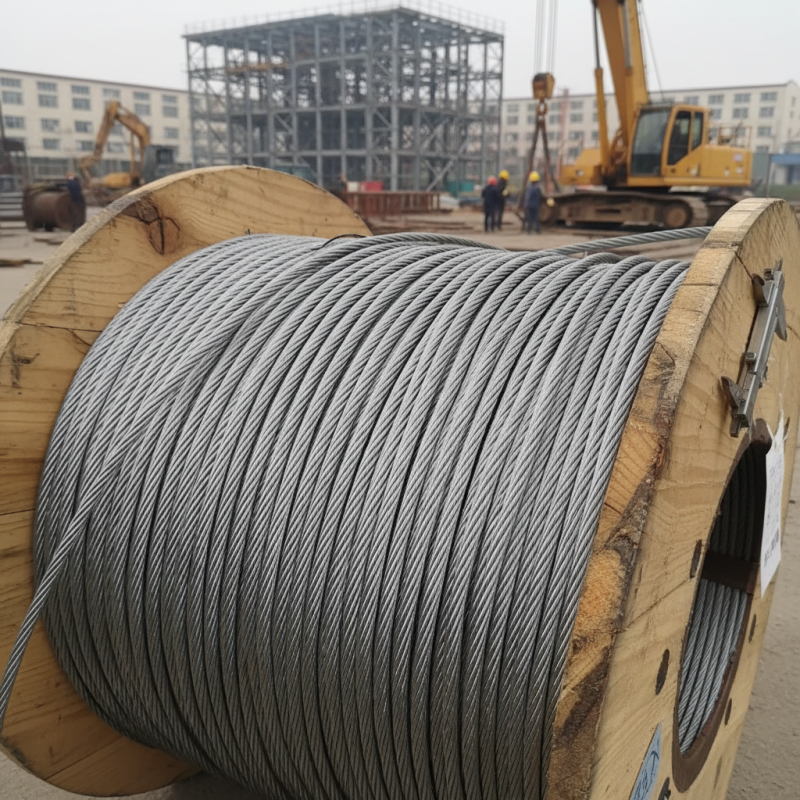
When choosing hoist steel wire ropes, understanding the types available is crucial. There are three primary categories: rotating, non-rotating, and torque-free ropes. Rotating ropes are beneficial for cranes. They can twist under heavy loads, which may lead to catastrophic failures. Non-rotating ropes are preferred in sensitive lifting applications. They provide stability but can have limitations in flexibility. Torque-free designs combine benefits from both types. Research reveals that non-rotating ropes can extend lifespan by up to 20% in optimal conditions.
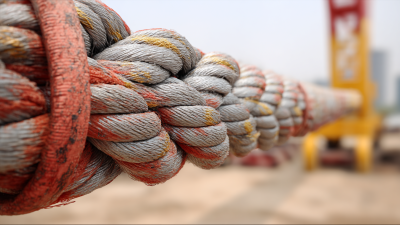
The material and construction also matter. Most ropes use steel strands, which can vary in diameter and lay direction. Steel wire ropes with compacted strands show a 25% increase in strength. However, they can be more prone to wear in abrasive environments. Lastly, the climate affects rope performance. High humidity can cause corrosion, while extreme temperatures may brittle the steel. Industry data indicates that nearly 30% of rope failures are due to environmental factors. Users often overlook these details, leading to unexpected maintenance costs. Choosing the right rope requires careful assessment of these factors.
Hoist Steel Wire Rope Types and Their Load Capacities
Evaluating Load Capacity and Safety Factors for Your Application
When choosing a hoist steel wire rope, evaluating load capacity and safety factors is crucial. Load capacity refers to the maximum weight the rope can handle. If you exceed this, the rope may fail. It’s essential to determine the weight of the items you'll lift and add a safety margin. A common practice is to multiply the maximum load by a factor of at least 1.5. This approach helps prevent accidents.
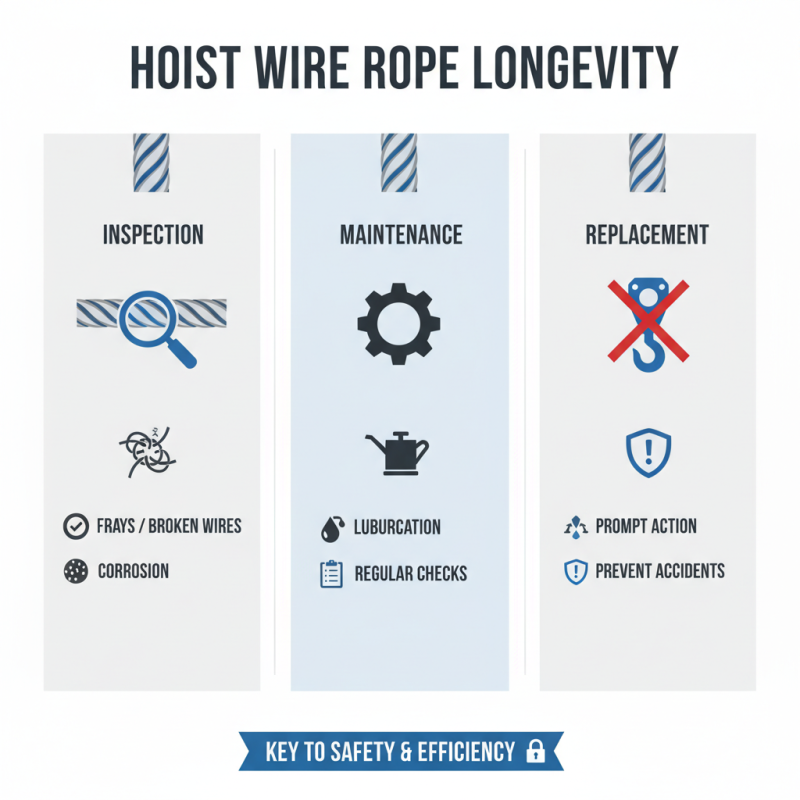
Tips: Always perform regular inspections on your wire rope. Look for signs of wear or damage. If you notice frays or rust, it may be time for a replacement.
Safety factors are equally important. They consider unexpected loads and environmental factors. These include shock loading, dynamic forces, and temperature changes. Each application might require a different safety factor. For critical lifts, a higher safety factor is advisable.
Tips: Consult with professionals if you’re unsure about your needs. They can provide valuable insights tailored to your specific application. Always remember, safety comes first.
Assessing the Environment: Corrosion Resistance and Durability Needs
When choosing a hoist steel wire rope, it's crucial to assess the environment where it will be used. Different environments present varying challenges. For instance, locations near water or industrial sites can expose the rope to corrosive substances. In such cases, corrosion-resistant materials become essential. These materials help prolong the life of the wire rope and ensure safety.
Durability is another critical factor. If the rope will be subjected to harsh conditions, it must be able to withstand wear and tear. Heavy lifting, frequent use, and exposure to extreme temperatures can all affect performance. Consider how long the rope will be used in these conditions. It's important to reflect on whether the selected rope can handle the demands without compromising safety.
One might find that certain ropes appear durable but fail in real-world applications. It's essential to evaluate actual performance data, not just specifications. Before finalizing a choice, consider conducting tests or seeking expert opinions. While it’s tempting to select the most robust-looking option, a thorough understanding of the environment remains the key to making the right choice.
Determining Length and Diameter Specifications for Optimal Performance
When selecting a hoist steel wire rope, determining the right length and diameter is essential. The length should match the maximum lift height needed for your application. Measure the distance from the hoist's anchor point to the load’s highest point. Too short of a rope limits your lift capabilities. A rope that is too long might be cumbersome and lead to tangling.
Diameter impacts the rope's strength and flexibility. Thicker ropes can carry heavier loads. However, they are less flexible and may not fit through tight spaces. Consider the load’s weight and the working environment. Are there sharp edges? A thicker rope might be needed for protection against wear.
Tips: Always consult load charts when picking diameter specifications. Keep safety in mind; a weak rope can lead to accidents. Also, think about how often you will use the hoist. Frequent use might warrant a more durable option.
Choosing the right size should not be rushed. People often overlook the importance of slight measurements. Double-check your calculations. Sometimes, it helps to visualize the installation area. This can prevent future complications.