How to Choose the Right Lifting Crane Rope for Your Needs?
Choosing the right lifting crane rope is crucial for safe and efficient operations. The market offers various types, each with unique specifications. Understanding these specifications can prevent costly mistakes and enhance performance.
The selection process involves considering several factors. Load capacity, material type, and environmental conditions all play significant roles. Familiarity with these aspects can reduce risks and ensure the rope meets your project's requirements.
Additionally, consulting experts can provide valuable insights. They can guide you through your options, helping avoid pitfalls. A well-chosen lifting crane rope is not just a purchase; it is an investment in safety and productivity. Reflecting on your choices may lead to a more informed decision.
Understanding Different Types of Crane Ropes and Their Applications
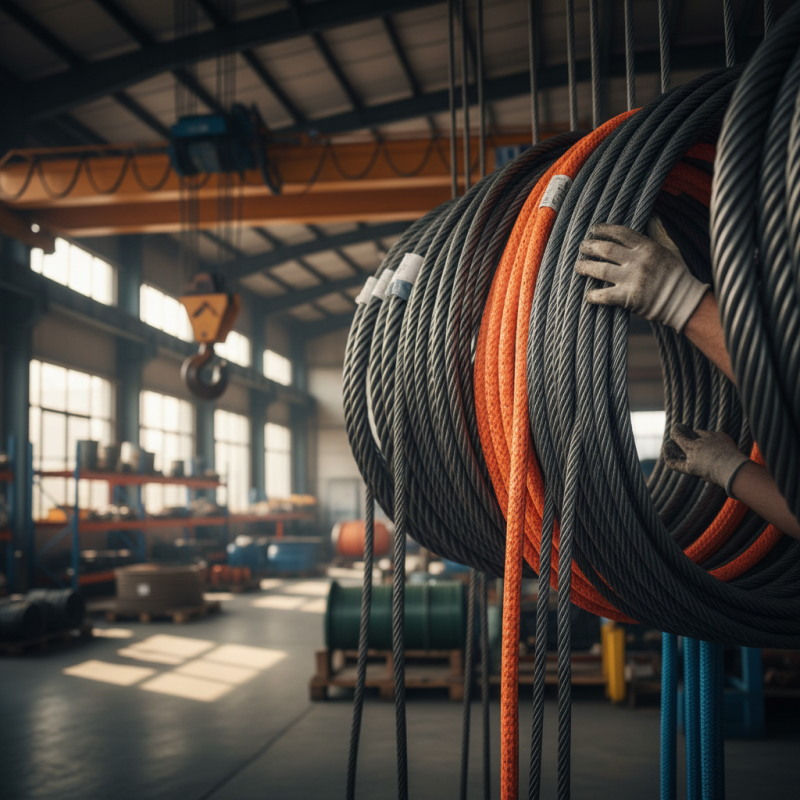
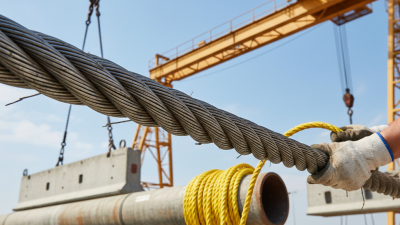
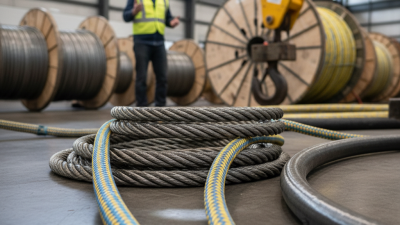
Choosing the right lifting crane rope requires understanding different types and their applications. Crane ropes are vital for lifting heavy loads securely. The most common materials used are steel wire and synthetic fibers.
Steel wire ropes boast high strength and durability. According to industry reports, they can handle loads up to 200 tons. However, they can be heavier and less flexible than their synthetic counterparts.
Synthetic ropes, like those made from polyester or nylon, are becoming increasingly popular. They are lighter and easier to handle, which can enhance safety and efficiency. Recent studies indicate that synthetic ropes can reduce load weight by up to 50%. Yet, this comes with a trade-off in heat resistance compared to steel. Understanding these distinctions is crucial for making informed choices.
In addition, maintenance plays a key role in the longevity of crane ropes. Regular inspections and proper storage can prevent premature failure. The International Organization for Standardization notes that up to 30% of crane accidents are linked to rope issues. Users must remain vigilant and proactive. Choosing the right crane rope is not just about load capacity; it’s about matching the rope with specific lifting conditions and risks as well.
Assessing Load Capacity Requirements for Your Lifting Needs
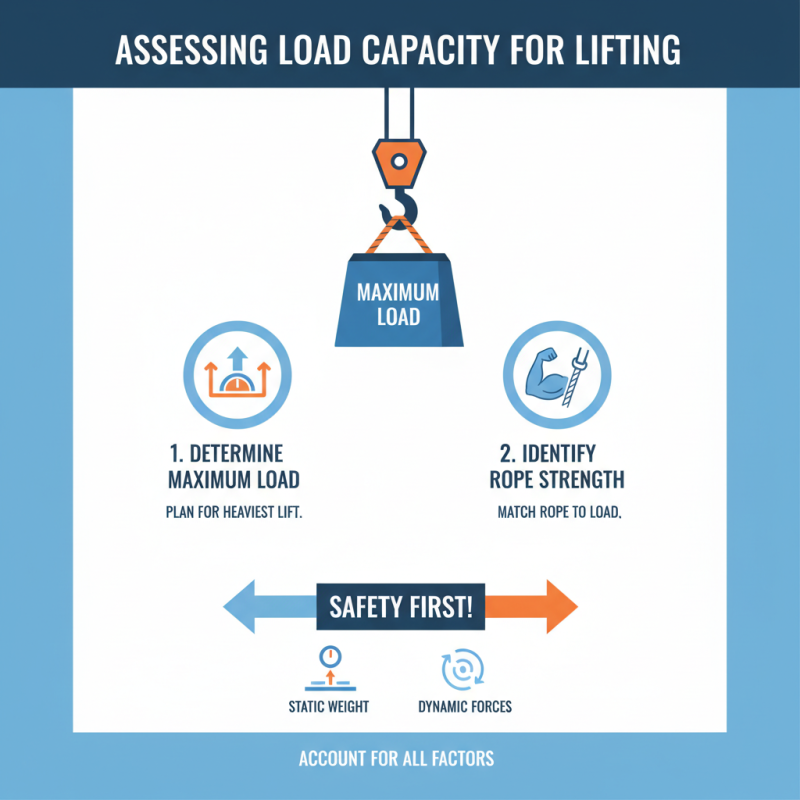
Assessing load capacity is critical when selecting a lifting crane rope. The wrong choice can lead to unsafe conditions. Start by determining the maximum load you plan to lift. This figure will help you identify the required rope strength. Always consider the weight of your load, including any additional factors like dynamic forces during lifting.
Next, think about the type of materials your crane rope will be lifting. Heavy, awkwardly shaped loads may shift, increasing the stress on the rope. It’s wise to add a safety margin to your load calculations. For most operations, a safety factor of at least 5:1 is recommended. This means if you regularly lift 1 ton, choose a rope with a 5-ton capacity.
Testing your setup after installation is vital. Observe how the rope performs under load. Are there signs of excessive wear? Are the connections secure? Regular inspections can prevent accidents and prolong the lifespan of your equipment. The right rope will ensure efficiency and safety, but always leave room for improvement in your assessment methods. Take feedback seriously and adjust as necessary.
Factors to Consider When Selecting Material for Crane Ropes
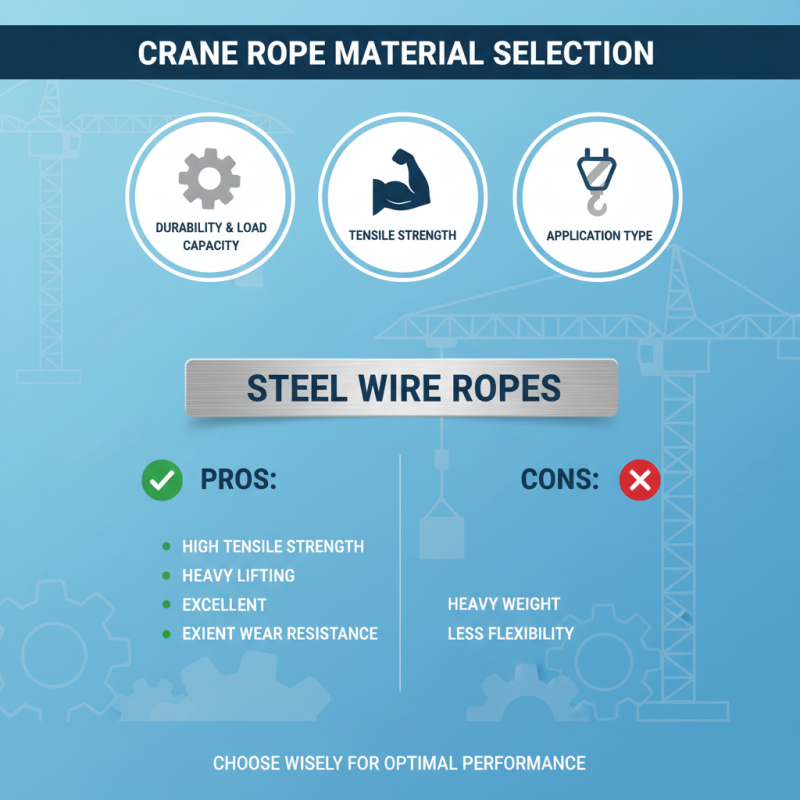
Choosing the right material for crane ropes is crucial. The type of material influences durability and load capacity. Steel wire ropes are a common choice due to their high tensile strength. They suit heavy lifting applications and offer excellent resistance to wear. However, they can be heavy and less flexible.
Synthetic ropes, on the other hand, are lighter and easier to handle. Made from materials like polyester or nylon, they reduce the overall weight of the lifting system. They also provide good corrosion resistance, making them ideal for marine environments. Yet, they can be less tolerant of high temperatures.
Considering environmental factors is vital. For example, a rope exposed to chemicals may deteriorate faster. Regular inspections help identify signs of wear or damage. It's important to reflect on previous experiences when selecting a rope. Each material has its strengths and weaknesses. Balancing those with your specific needs ensures safer operations.
Evaluating Durability and Maintenance Needs of Crane Ropes
When evaluating the durability and maintenance of crane ropes, several key factors come into play. Material composition significantly affects lifespan and performance. Steel wire ropes, for instance, have a distinct advantage due to their high tensile strength. According to industry reports, these ropes can typically withstand loads exceeding 200% of their rated capacity. This resilience makes them a popular choice in heavy lifting scenarios.
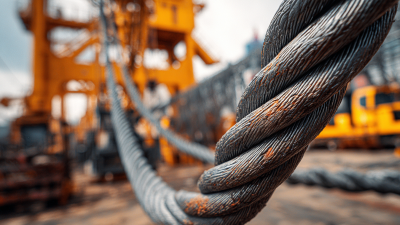
However, wire ropes also require regular maintenance to prevent issues like corrosion or wear. Inspecting ropes for signs of fraying or kinking is crucial. Industry guidelines recommend a thorough inspection every six months for ropes under constant stress. In contrast, synthetic ropes are lighter and easier to handle, yet they may not offer the same load-bearing strength. They can be less durable under harsh environmental conditions.
Ultimately, the choice between steel and synthetic ropes hinges on specific operational needs. The evaluation should include life cycle costs, potential downtime due to maintenance, and performance under different conditions. Understanding the demands of your worksite is essential. It is advisable to document maintenance practices. A reliable log will help track performance trends and make future evaluations more informed. This approach balances efficiency with safety, addressing the sometimes overlooked aspect of long-term insights.
Durability and Maintenance Needs of Crane Ropes
Choosing the Right Diameter and Length for Optimal Performance
Choosing the right diameter and length for lifting crane rope is crucial for performance. The diameter affects the rope’s strength and flexibility. A thicker rope can lift heavier loads, but it may also be harder to handle. Conversely, a thinner rope is easier to maneuver but might not support the weight you need. Understanding your specific lifting requirements is essential.
Length is another important factor. A longer rope allows for more flexibility in lifting tasks, but it can lead to tangling. Too short can limit your lifting height or create safety risks. Assess your work sites. Are there height restrictions? Will you need to navigate around obstacles? Finding the right balance takes time and careful consideration.
Pay attention to the materials as well. Some ropes are more durable, while others may fray quickly under heavy use. Regularly inspect your rope for wear and tear. This could prevent accidents and ensure optimal performance. Not all work environments are the same, so be ready to adapt and choose accordingly.
How to Choose the Right Lifting Crane Rope for Your Needs?
| Rope Material |
Diameter (mm) |
Length (m) |
Weight Capacity (tons) |
Applications |
| Steel Wire Rope |
12 |
100 |
15 |
Construction, Mining |
| Synthetic Rope |
10 |
150 |
10 |
Marine, Rescue |
| Polyester Rope |
14 |
200 |
8 |
General Lifting |
| Nylon Rope |
8 |
120 |
5 |
Light-duty Applications |