Top 5 Tips for Choosing 304 Stainless Steel Flanges?
When it comes to selecting 304 Stainless Steel Flanges, making the right choice is crucial. Jane Smith, an industry expert with over 15 years of experience, emphasizes, "Choosing the right flanges can prevent costly failures." Her insight highlights the importance of understanding the specific needs of your application.
304 Stainless Steel Flanges are known for their excellent corrosion resistance and versatility. However, not all flanges are created equal. Factors like pressure ratings, temperature ranges, and material quality can make a significant difference in performance. Many buyers often overlook essential specifications. This oversight can lead to complications during installation.
Choosing 304 Stainless Steel Flanges requires attention to detail. Consider the environment where the flanges will be used. Assess compatibility with different media. While many options are available, the wrong choice can result in leaks or equipment failure. Therefore, taking time to evaluate your options is essential for long-term reliability.
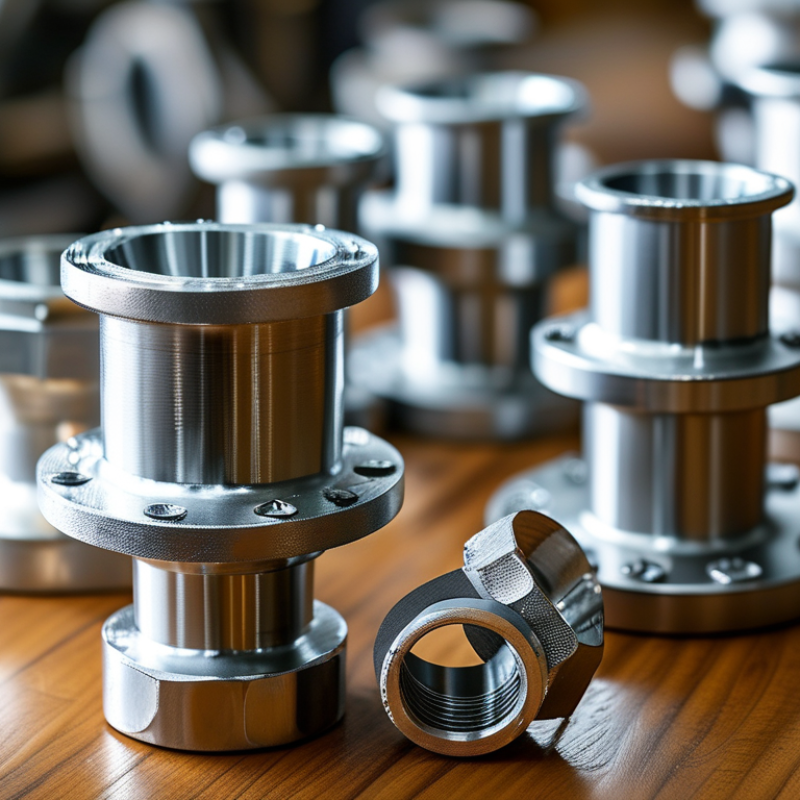
Understanding 304 Stainless Steel and Its Applications in Flanges
When selecting 304 stainless steel flanges, it's essential to understand the material's properties and applications. 304 stainless steel comprises approximately 18% chromium and 8% nickel, providing excellent corrosion resistance. It's widely used in various industries, including food processing, pharmaceuticals, and petrochemicals. According to a recent industry report, the demand for stainless steel flanges is projected to grow at a compound annual growth rate (CAGR) of 4.5% through 2027. This reflects the increasing need for robust components in modern infrastructure.
In terms of application, 304 stainless steel flanges excel in environments prone to moisture and various chemicals. However, they may not be suitable for high-temperature applications. Users often overlook temperature limits, which can lead to premature flange failure. A study highlighted that nearly 30% of flange failures stem from improper material selection. Such insights emphasize the importance of thorough research before making a purchase.
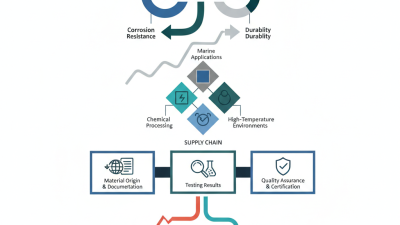
When evaluating flanges, consider the specific application and environment. A solid understanding of the operating conditions is vital. Misjudgments in material choice can result in costly downtime and repairs. Finding reliable information from technical references and industry publications can enhance decision-making processes. Proper documentation and expert advice can guide users toward successful flange implementations.
Key Factors to Consider When Selecting 304 Stainless Steel Flanges
When selecting 304 stainless steel flanges, consider several crucial factors. The quality of the material is paramount. 304 stainless steel is known for its corrosion resistance and durability. This makes it ideal for many applications. But not all flanges made from this steel are equal. Checking the grade is essential.
Another important aspect is the flange size. Correct sizing ensures seamless integration within your piping system. Measure accurately to avoid leaks. Think about the intended application too. Some environments may require additional features, like higher pressure ratings or specific coatings. This also impacts your choice.
It is vital to evaluate the manufacturer’s reputation. Look for companies known for reliability and quality. It's beneficial to seek reviews or testimonials. Keep in mind that price shouldn't be the only deciding factor. Sometimes, paying more upfront can lead to savings down the line through increased longevity and reduced maintenance. Balancing these factors can be challenging but can lead to better outcomes.
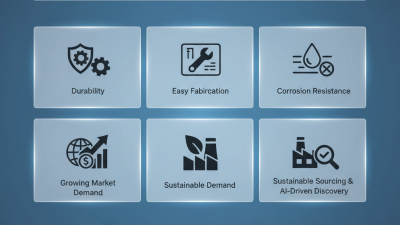
Top 5 Factors to Consider When Choosing 304 Stainless Steel Flanges
Comparing Different Types of 304 Stainless Steel Flanges
When selecting 304 stainless steel flanges, understanding the different types is essential for ensuring compatibility and safety. 304 stainless steel offers excellent resistance to corrosion and is widely used in various industries. However, not all 304 stainless steel flanges are created equal. There are multiple configurations, including slip-on, weld neck, and blind flanges, each serving a unique purpose.
Comparing these types reveals important factors. For instance, slip-on flanges are easier to install, but they might not withstand high-pressure applications as well as weld necks. Blind flanges, on the other hand, are ideal for sealing off pipeline ends but can be more challenging to source in specific sizes. According to industry reports, selecting the correct flange type can improve system efficiency by up to 15%.
When making a decision, consider the application requirements. Analyze the pressure and temperature parameters your system will encounter. Doing this ensures reliability and longevity of the connection points. Evaluate your options thoroughly, as a poor choice can lead to significant downtime and repair costs. Understanding these distinctions will help in selecting the right 304 stainless steel flange for your needs.
Top 5 Tips for Choosing 304 Stainless Steel Flanges
| Feature |
Description |
Advantages |
| Corrosion Resistance |
Resistant to rust and corrosion in various environmental conditions. |
Ideal for chemical processing and marine applications. |
| Temperature Resistance |
Maintains strength at high temperatures up to 870°C (1598°F). |
Suitable for high-temperature applications. |
| Mechanical Properties |
High tensile strength and durability under pressure. |
Provides safety and reliability in pressure systems. |
| Fabrication |
Easy to cut, weld, and machine for custom applications. |
Flexible for various project requirements. |
| Cost Effectiveness |
Generally more affordable compared to other stainless steels. |
Provides excellent value for various applications. |
Evaluating Quality Standards for 304 Stainless Steel Flanges
When evaluating quality standards for 304 stainless steel flanges, several factors come into play. Recognizing the importance of the material's composition is critical. 304 stainless steel comprises 18% chromium and 8% nickel. This combination offers excellent resistance to corrosion and oxidation. However, not all 304 flanges are created equal.
Inspecting the manufacturing standards used during production can help in identifying quality. Look for flanges that meet ASTM A240 standards, as they are more likely to perform well under pressure. Awareness of test certification, such as pressure testing, is important. Flanges without proper certification may not hold up over time, leading to potential leaks or failures.
Choose trusted suppliers whose flanges undergo rigorous quality testing. Many suppliers will provide their quality certifications. This can give peace of mind regarding the products' reliability. When in doubt, consult industry experts. Their insights can help clarify the nuances of selecting flanges suited for specific applications. Making an informed choice will ultimately save time and costs in the long run.
Cost Considerations and Supplier Options for 304 Stainless Steel Flanges
When considering 304 stainless steel flanges, cost plays a crucial role. Prices can vary significantly, depending on the supplier and market conditions. It's essential to compare quotes from multiple suppliers to identify the best price. Remember, the lowest price isn't always the best option. Consider the quality and certifications of the material as well. Sometimes, paying extra ensures you receive durable, high-quality flanges.
Evaluating suppliers is also vital. Look for those with a solid reputation in the industry. Read reviews and ask for recommendations. Supplier reliability can affect your project's success. Flanges that don’t meet specifications can lead to leaks or failures. Ensure your supplier provides documentation, such as material test reports. This verification builds credibility and fosters trust.
Shipping and handling costs can add up. Some suppliers offer free shipping for bulk orders. This can help offset initial costs. Be cautious of suppliers that seem too eager to cut prices. It might indicate lower quality materials or poor customer service. Balancing cost with quality and service is complex but necessary for project success.