Essential Tips for Choosing Industrial Crane Rope for Your Needs?
Choosing the right Industrial Crane Rope is critical for ensuring safety and efficiency in operations. According to a report from the International Crane Alliance, improper selection can result in over 30% of crane-related accidents. Industrial Crane Rope is not just a piece of equipment; it represents the lifeline of operations in various industries.
Industry expert Dr. Michael Reynolds emphasizes, “Selecting the correct Industrial Crane Rope can mean the difference between seamless operations and catastrophic failure.” His words resonate in a field where precision is paramount. The factors influencing the choice of crane rope include load capacity, material strength, and environmental conditions.
Many companies overlook these details, leading to costly mistakes. For instance, using a rope unsuitable for specific environmental factors can severely compromise performance. Therefore, understanding the intricacies of Industrial Crane Rope selection is essential. The marketplace is diverse, and many options exist, but informed choices mitigate risks and enhance operational reliability.

Types of Industrial Crane Ropes and Their Applications
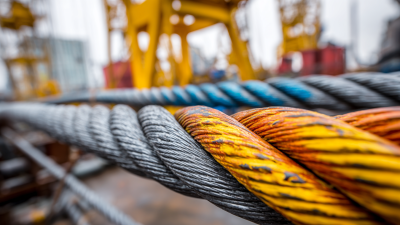
When selecting the right industrial crane rope, understanding the types and their applications is vital. Common rope types include wire ropes, synthetic ropes, and fiber ropes. Each has different properties that determine how they perform in various environments. For instance, wire ropes, often made from steel, are durable and have high tensile strength. They are ideal for heavy loads and high-stress applications.
Synthetic ropes, such as those made from nylon or polyester, offer lightweight alternatives with excellent resistance to abrasion. They work well in environments where reduced weight is beneficial, such as in mobile cranes. Fiber ropes, made from natural or synthetic materials, add flexibility and are often used in lighter lifting applications. The selection should align with the specific operational requirements.
Here are a few tips to ensure you pick the right crane rope: Assess the load capacity needed and choose a rope type that meets or exceeds that requirement. Remember that environmental factors, like temperature and humidity, can affect rope performance. Regular maintenance is crucial to ensure the longevity and safety of the rope you choose. According to industry reports, properly maintained ropes can last up to 50% longer than neglected ones. Taking the time to choose wisely can enhance safety and efficiency in operations.
Factors to Consider When Selecting Crane Rope Material
Choosing the right crane rope for industrial use involves understanding various materials and their characteristics. The material can dramatically impact safety, reliability, and lifespan. Research indicates that wire ropes have a different performance profile compared to synthetic ones. For instance, wire ropes are often favored for their high tensile strength, while synthetic ropes are lighter and resistant to abrasion.
When selecting crane rope, consider the operating environment. If you're in a marine setting, a rope that resists corrosion is essential. Meanwhile, for construction sites, look for ropes that can handle heavy loads without compromising safety. Studies show that improperly selected rope materials account for 20% of crane accidents. This underlines the necessity of making informed decisions.
Tip: Always consult industry standards. Organizations like the American Society of Mechanical Engineers (ASME) provide guidelines for selecting appropriate materials. Evaluating the maximum load capacity and environmental conditions is crucial.
Tip: Test the rope periodically. Even high-quality materials can degrade under stress. Remember, a well-informed choice today can ensure safer operations tomorrow.
Load Capacity: Understanding Weight Limits of Crane Ropes
When selecting crane ropes, understanding load capacity is crucial. Each crane rope has a specific weight limit. Exceeding this limit can lead to accidents. It's important to check the recommended maximum load for your specific application. Always consult the technical specifications provided by manufacturers.
Consider various factors affecting load capacity. Rope material plays a significant role. Some materials offer higher strength, while others provide flexibility. The type of construction can also affect performance. For instance, a three-strand rope may have different load limits than a braided rope. Think about the environments in which you will operate.
Over time, ropes can wear and their load capacity can decrease. Regular inspections are essential to ensure safety. Look for signs of wear, such as fraying or discoloration. These can signal a reduction in strength. If in doubt, consult a rigging expert. They can offer insights to help you make informed decisions. Taking the time to understand these factors can ultimately save you from costly mistakes.
Essential Tips for Choosing Industrial Crane Rope for Your Needs
| Rope Type |
Material |
Diameter (mm) |
Breaking Strength (t) |
Load Capacity (t) |
| Steel Wire Rope |
Steel |
12 |
12.7 |
4.5 |
| Synthetic Rope |
Polyester |
14 |
9.1 |
3.2 |
| Chain Rope |
Alloy Steel |
10 |
15.0 |
5.0 |
| Fiber Rope |
Nylon |
16 |
6.0 |
2.0 |
Environmental Conditions Affecting Crane Rope Choice
When selecting industrial crane rope, environmental conditions play a crucial role. Factors like
temperature,
humidity, and exposure to
chemicals can significantly affect the rope’s performance.
For instance, ropes used in marine environments must withstand salty air
and moisture. According to industry reports, over 30% of crane
failures relate to improper rope selection for environmental conditions.
Temperature extremes can lead to changes in rope flexibility. High temperatures may cause certain materials to weaken.
Conversely, low temperatures can make the rope brittle. A study showed that synthetic fibers degrade faster in
UV-rich environments. This means careful consideration is needed when
choosing materials. Ropes for outdoor use should be UV-resistant.
Dust and chemical exposure are additional factors. Frequent exposure to corrosive substances can lead to
premature wear. In a survey,
40% of maintenance professionals noted issues stemming from
chemical damage. Ropes in industrial environments should be resistant to specific chemicals encountered.
Selecting the right crane rope is an essential aspect of ensuring durability
and safety in various working conditions.
Maintenance Tips for Prolonging the Life of Crane Ropes
Maintaining crane ropes is crucial for safety and efficiency in industrial operations. Regular inspections are key. Inspect ropes for wear, fraying, or corrosion. Immediate action is necessary if you spot any damage. Replacing damaged ropes can prevent accidents and costly downtime.
Proper lubrication plays an essential role in prolonging rope life. Use the recommended lubricant sparingly. Over-lubrication can attract dirt and debris, which may cause further damage. Ensure that the ropes are cleaned before applying any lubricant. This little detail often gets overlooked.
Storage conditions also significantly influence the ropes' longevity. Store in a cool, dry place, away from direct sunlight. Extreme temperatures and humidity can weaken the fibers. It’s surprising how many neglect these simple guidelines. Keeping records of maintenance and usage helps track wear over time. This habit can alert you when it’s time for a replacement, ensuring safety and reliability.