Top 5 Tips for Sourcing 316l Stainless Steel Pipe Globally?
Global sourcing of 316L stainless steel pipe has become increasingly vital for various industries. According to a report by Research and Markets, the stainless steel pipe market is projected to reach USD 15.5 billion by 2027, revealing robust growth. This surge highlights the importance of understanding how to effectively source these pipes across borders.
Manufacturers value 316L stainless steel pipe for its excellent corrosion resistance and strength. Observations show that demand spikes in sectors like oil and gas, chemicals, and construction. However, sourcing isn't straightforward. Global supply chains can be complex and fraught with challenges, from varying quality standards to fluctuating costs. Effective strategies are essential for navigating these waters.
Some companies struggle with supplier reliability and shipping delays. Furthermore, fluctuating material prices can disrupt budgets. These hurdles necessitate a well-planned approach to sourcing. Awareness of market trends and potential risks can lead to better decision-making. By focusing on strategic sourcing practices, businesses can secure high-quality 316L stainless steel pipes reliably, ensuring uninterrupted operations.
Understanding 316L Stainless Steel Pipe and Its Applications
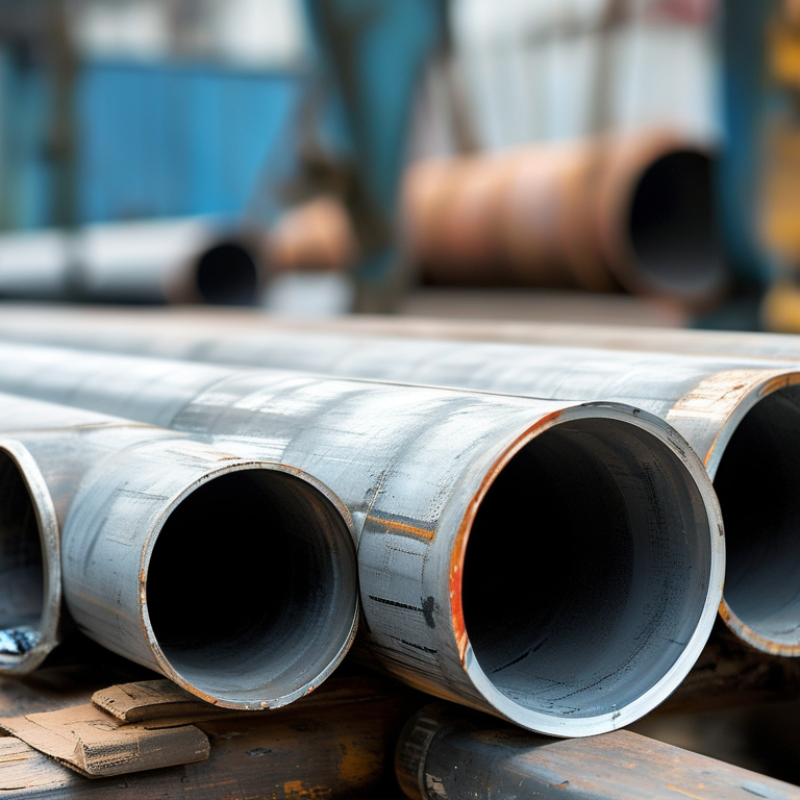
316L stainless steel pipe is renowned for its low carbon content and corrosion resistance. This material is ideal for various applications, particularly in industries like marine, chemical processing, and food handling. Its ability to withstand harsh environments makes it a preferred choice for pipes transporting fluids. The durability and strength of 316L ensure longevity in demanding situations, reducing replacement frequency.
When sourcing 316L stainless steel pipes, one should consider material specifications and compliance with international standards. Understanding the different types, finishes, and dimensions is crucial. Not every vendor offers the same quality, and discrepancies can lead to serious operational failures. It's important to evaluate the supplier's certifications and past experiences with similar products.
Finding reliable suppliers may take time and research. Engaging with multiple vendors can reveal significant differences in quality and pricing. Many buyers overlook the importance of sampling products before large orders. This step can uncover subtle flaws in the manufacturing process. Continuous reflection on the sourcing strategy remains essential, as the market for stainless steel evolves rapidly.
Global Sourcing of 316L Stainless Steel Pipe: Insights and Trends
Identifying Reliable Global Suppliers for 316L Stainless Steel Pipe
When sourcing 316L stainless steel pipes globally, it's vital to find reliable suppliers. According to a recent industry report by Grand View Research, the global stainless steel pipe market is expected to reach $23 billion by 2025. This growth highlights the significance of choosing suppliers who not only offer quality products but also adhere to international standards.
To identify reputable suppliers, start by evaluating their certifications. Look for those meeting ASTM A312 requirements. This standard ensures the pipes possess the necessary mechanical properties and corrosion resistance. Moreover, consider suppliers with ISO 9001 certification; it indicates a commitment to quality management.
A strong online presence is also crucial. Companies that display transparent information on their websites establish trust. However, take caution; not all suppliers will provide unblemished track records. Conducting thorough background checks and requesting samples can prevent potential issues. Also, engaging in industry forums can yield insights into other buyers' experiences, revealing both positive and negative aspects of potential suppliers.
Evaluating Quality Standards and Certifications for Sourcing
When sourcing 316L stainless steel pipe, understanding quality standards and certifications is crucial. The right certifications ensure that materials meet international safety and quality norms. Look for standards such as ASTM, ISO, and EN. These guidelines help ensure the pipe’s durability and resistance to corrosion. A supplier's ability to provide these documents indicates reliability.
Pay attention to third-party inspections. They offer an unbiased evaluation of the product’s quality. Ask suppliers for their inspection reports. A lack of transparency here can be a red flag. Certifications come with a cost, but they provide peace of mind. Consider it an investment in quality.
Always verify the supplier's claims. Is their factory certified? How often do they update their processes? Questions like these foster accountability. Additionally, being aware of the source of raw materials helps in understanding the product’s integrity. Not all suppliers provide detailed information, which can lead to uncertainties. Challenge yourself to dig deeper into the supply chain.
Negotiating Terms and Pricing with Manufacturers Abroad
Negotiating terms and pricing with manufacturers abroad requires a strategic approach. Begin by understanding the local market conditions. Research the average prices for 316L stainless steel pipes in different regions. This knowledge can help in assessing reasonable pricing and securing favorable terms. Engage local experts who can provide insights into cultural nuances affecting negotiations. Their input can be invaluable, as business practices differ across countries.
When initiating conversations with manufacturers, establish clear communication. Use straightforward language to avoid misunderstandings. Articulate your requirements, including quality standards and delivery timelines. Be open to discussing payment options. For instance, some manufacturers may prefer letters of credit, while others might accept advance payments. Flexibility in your approach can foster goodwill and lead to better deals.
Expect some roadblocks during negotiations. Manufacturers may resist certain terms or request higher prices. It's essential to remain patient and adaptable. Consider the possible need for compromises. Think critically about your priorities. Ultimately, aim for a mutually beneficial agreement. Building a relationship based on trust can lead to long-term partnerships.
Best Practices for Logistics and Delivery of Stainless Steel Pipe
When sourcing 316l stainless steel pipe, logistics play a critical role. Efficient transportation can save time and reduce costs. Understand the various shipping options available. Air freight offers speed, while sea freight can be more economical. Choose the method that best fits your schedule and budget. Additionally, ensure all documentation is accurate to avoid delays at customs.
Delivery requires attention to detail. Monitor the entire process from packaging to arrival. Proper packaging protects the pipes from damage during transit. Regularly communicate with suppliers to track shipments effectively. Be aware of potential challenges, like unexpected delays due to weather. Having contingency plans can mitigate these issues.
Building strong relationships with logistics partners enhances reliability. Experience can guide you through complex situations. Select partners who understand the nuances of handling stainless steel. They should have proven track records. Trust allows for smoother operations and fewer mistakes. This focus on logistics strengthens your overall sourcing strategy.