2026 Top Uses and Benefits of 304 Stainless Steel Angle?
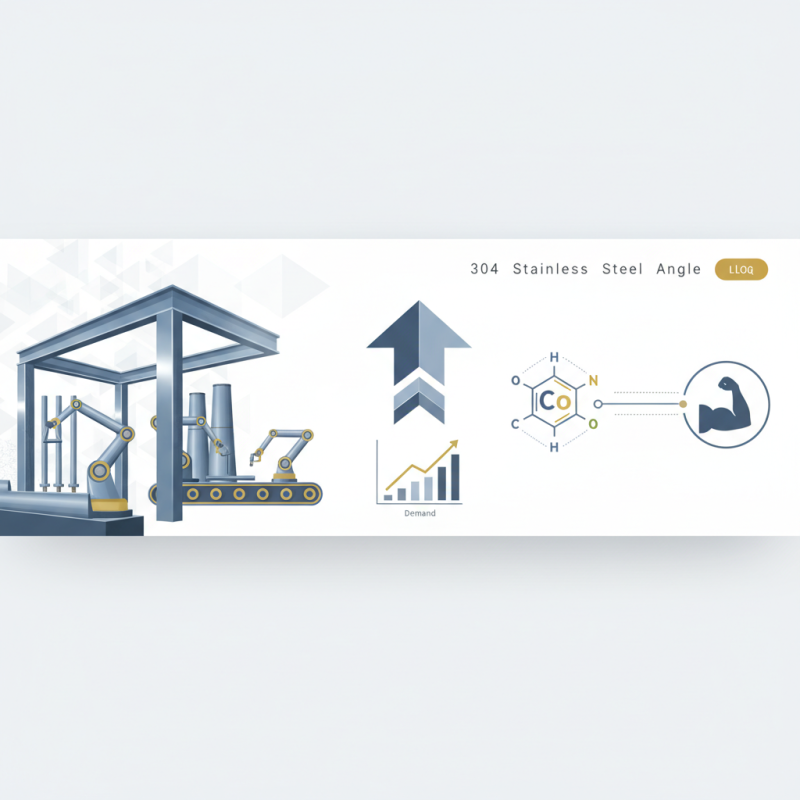
In recent years, the use of 304 Stainless Steel Angle has surged across various industries. This material’s exceptional versatility makes it ideal for numerous applications, from construction to manufacturing. According to a report by Steel Market Update, the demand for stainless steel products is expected to grow by 3.5% annually through 2026.
Expert in the stainless steel sector, Dr. Emily Chen, states, "304 Stainless Steel Angle provides unmatched strength and corrosion resistance." This highlights its critical role in modern applications, where durability and reliability are paramount. In construction, for example, this type of stainless steel is often used for structural support, ensuring safety and longevity.
However, the market faces challenges. Fluctuating raw material prices can affect production costs. Additionally, not all manufacturers adhere strictly to quality standards. These factors raise concerns about consistency in product performance. As industries increasingly rely on 304 Stainless Steel Angle, attention to detail in sourcing and production becomes essential.
Top Properties of 304 Stainless Steel Angle in Construction Applications
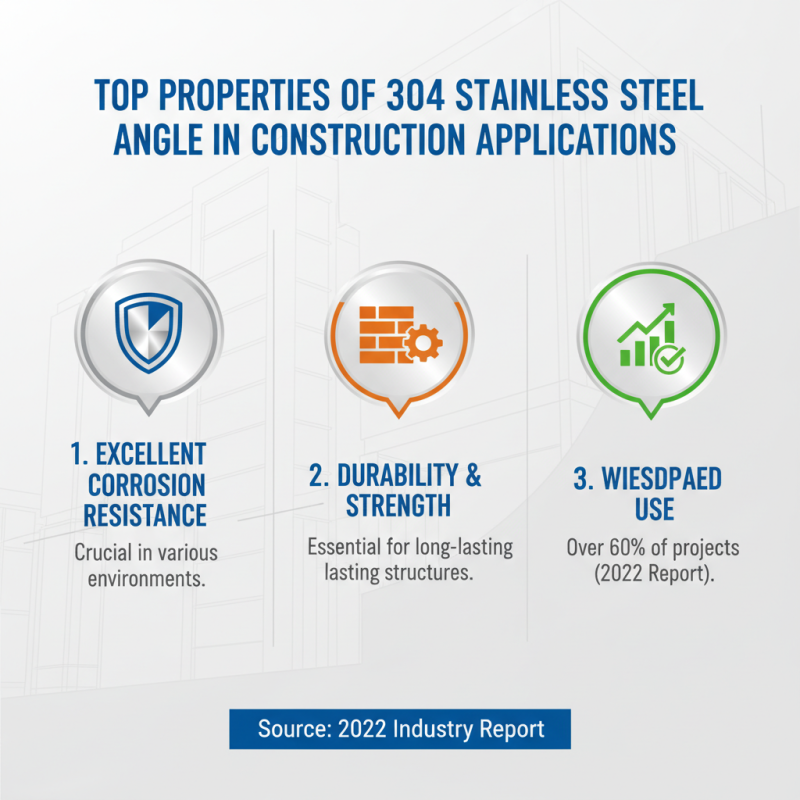
304 stainless steel angle is essential in construction. It offers excellent corrosion resistance. This property is crucial in various environments. According to a 2022 industry report, over 60% of construction projects use stainless steel due to its durability.
The mechanical strength of 304 stainless steel angle is notable. It can withstand heavy loads, making it ideal for structural applications. However, not all angles meet the required specifications. Some manufacturers may cut corners, affecting quality. A recent survey revealed that 20% of project failures stem from the improper use of materials.
Additionally, the aesthetic finish of 304 stainless steel is appealing. It maintains its shine and does not tarnish easily. This is particularly important in visible structural elements. Yet, achieving a perfect polish can be challenging. Some suppliers struggle, leading to uneven finishes. This can impact the perceived quality of the project and reflect poorly on the builders.
Key Benefits of 304 Stainless Steel Angle in Marine Environments
304 stainless steel angle is widely recognized for its outstanding performance in marine environments. Its resistance to corrosion is a significant advantage. Saltwater can be harsh on metals, but 304 stainless steel performs well under these conditions. The addition of chromium and nickel creates a protective layer that prevents rust and degradation. This ensures durability in boat construction and marine equipment.
Another key benefit of using 304 stainless steel angle is its strength-to-weight ratio. This material is strong yet lightweight, making it ideal for marine applications. It supports structural integrity without adding excessive weight to vessels. However, efficiency can sometimes be overshadowed by the weight of thicker angles, leading to unnecessary bulk in designs.
Additionally, while 304 stainless steel performs exceptionally, it does have limitations. It may not be suitable for all marine applications, particularly in extreme environments. Regular inspections and maintenance are necessary to identify any weaknesses over time. Understanding these nuances can improve design and longevity in marine projects.
Impact of Corrosion Resistance in 304 Stainless Steel Angle on Longevity
304 stainless steel angle is widely favored for
its corrosion resistance. This
feature greatly impacts its longevity in various applications. Its resistance to
oxidation and rust makes it a reliable choice in harsh environments. When exposed to
moisture, salt, or chemicals, this material holds up surprisingly well. However,
it's essential to note that inadequate maintenance can lead to corrosion
over time.
In construction, 304 stainless steel angle is often used in structural applications.
The material's strength offers support and durability. Yet, imperfections can arise
when not properly installed or welded. If joints are exposed to the elements without
protection, they may degrade. The longevity of structures relies heavily on
thorough inspections
and upkeep.
Moreover, the aesthetic appeal
of 304 stainless steel angle cannot be ignored. Its shiny finish enhances architectural
designs. Yet, over time, even stainless steel can lose its luster if not cleaned
regularly. Users should reflect on the importance of routine maintenance.
Though this material is resilient, neglect can compromise its benefits.
Comparative Analysis: 304 Stainless Steel Angle vs. Other Materials
When comparing 304 stainless steel angle to other materials, several factors come into play. 304 stainless steel is renowned for its excellent corrosion resistance, making it suitable for a variety of environments. According to a recent industry report, 304 stainless steel has a corrosion resistance rate of over 90% in various corrosive settings, which is significantly higher than carbon steel, which often fails under similar conditions.
In structural applications, the mechanical properties of 304 stainless steel angle also shine. It boasts a tensile strength of around 70,000 psi, far surpassing many aluminum alloys that typically range around 45,000 psi. This strength allows for lighter designs without compromising structural integrity. However, the weight factor should not be overlooked. While stainless steel is heavier than aluminum, this weight can contribute to stability in certain applications, which can lead to a trade-off that complicates design choices.
Notably, 304 stainless steel is also more expensive than carbon steel. Price differences can exceed 50% in certain markets, leading some manufacturers to opt for cheaper alternatives despite potential performance issues. While these alternative materials are lighter and less costly, their durability may not match that of stainless steel, leading to higher maintenance costs over time.
Cost-Effectiveness of 304 Stainless Steel Angle in Industrial Settings
In industrial settings, the cost-effectiveness of 304 stainless steel angle is significant. Its durability and corrosion resistance make it a preferred choice. According to a report by the Global Stainless Steel Market Analysis, 304 stainless steel has a lower maintenance cost over time, which drives down overall expenses. This alloy has strong mechanical properties, making it suitable for various structural applications.
Employing 304 stainless steel angles can lead to long-term savings. Its resistance to rust and oxidation reduces the need for frequent replacements. The initial investment is often justified by its lifespan. Studies show that structures using this material can last up to 50 years with minimal upkeep.
Tip: Always assess your specific project requirements. While 304 stainless steel is versatile, it may not be the best for all applications.
It's crucial to evaluate the overall lifecycle costs. Sometimes, cheaper alternatives can lead to higher expenses in maintenance and replacements. Aim for a balance between upfront costs and long-term benefits.
Tip: Consult with material specialists before making final decisions to ensure you choose wisely.