What Is the Best China Hoisting Wire Rope Supplier?
Choosing the best Hoisting Wire Rope supplier requires more than comparing price lists. Buyers must examine traceability, fatigue resistance, breaking strength, and technical support. A rope may look flawless on a warehouse pallet, yet hidden lubrication gaps or poor socketing can create serious risks during lifting.
Industry data supports this careful approach. The World Steel Association reported approximately 1.89 billion tonnes of crude steel production in 2023, showing the enormous scale behind wire-rope manufacturing. However, steel volume alone does not prove rope quality. The Grand View Research wire-rope market analysis identifies construction, mining, oil and gas, and material handling as major demand sectors. These applications require different rope constructions, coatings, and inspection intervals. A port crane, for example, may need excellent bending fatigue performance, while a mine hoist demands dependable strength under repeated loading.
Standards matter. ISO 4309 provides guidance for the care, inspection, and discard of steel wire ropes. Responsible suppliers should explain how their products align with applicable standards, test certificates, and customer lifting conditions. They should also provide clear records for heat numbers, lubrication, diameter tolerance, and breaking-load tests. Ask practical questions.
Can the supplier support emergency replacement? Are test reports independently verifiable? Does the technical team understand fleet-specific operating conditions?
There is no universal “best” supplier. The strongest choice combines consistent manufacturing, documented quality, responsive engineering, and honest limitations. This last point is often overlooked. A supplier that admits where its rope is unsuitable may deserve more trust than one promising everything.
What Defines a Reliable China Hoisting Wire Rope Supplier?
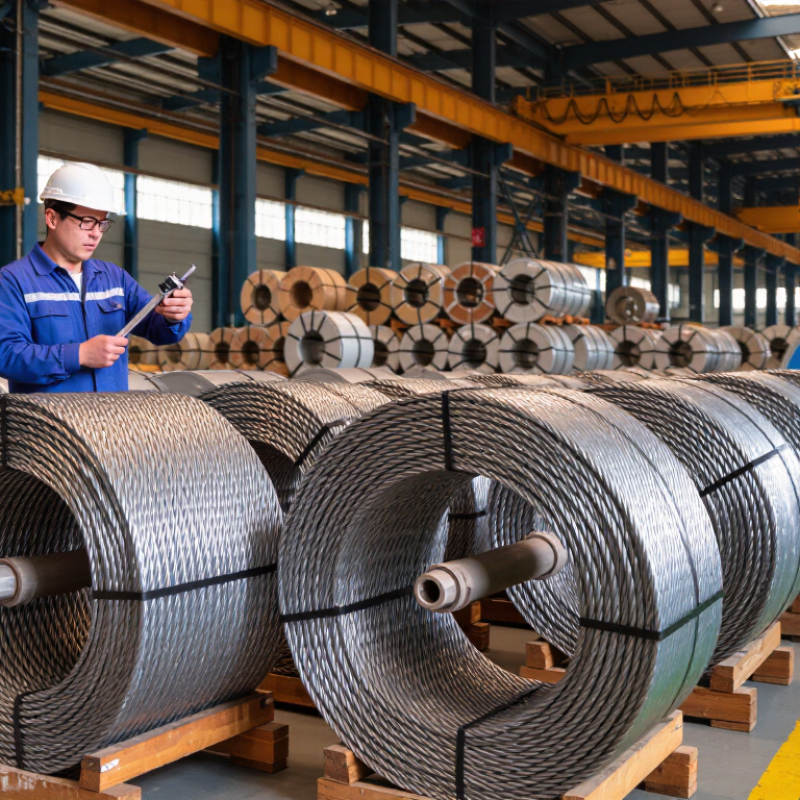
A reliable China hoisting wire rope supplier proves more than a low factory price. It demonstrates consistent production, clear technical records, and practical knowledge of lifting conditions. Buyers should ask about rope construction, steel grade, lubrication, lay direction, and breaking force. These details affect fatigue resistance, rotation, and service life.
A dependable supplier provides traceable material certificates for each production batch. Test reports should identify testing standards, measured breaking load, and inspection dates. Factory quality controls also matter. Look for wire drawing records, closing-torque checks, diameter measurements, and final visual inspections. Photos of packaging help too. Moisture can damage untreated rope during long transport.
Ask how the supplier handles complaints and replacement decisions. A serious team responds with evidence, not vague promises. It should explain storage requirements, inspection intervals, and discard indicators in plain language. Technical staff should review drum size, sheave diameter, working load, and operating temperature before recommending a rope. Good advice may challenge the buyer’s initial request.
A polished website is not proof. Real reliability appears in repeatable records and careful communication. No supplier gets every decision right. That is worth admitting. Some factories may offer strong manufacturing but weak documentation, while others communicate well but lack stable process control. A site visit, sample inspection, and independent test can expose those gaps before installation. The best supplier is the one willing to show its work.
Which Hoisting Wire Rope Types and Applications Are Available?
Choosing the best China hoisting wire rope supplier starts with the lifting task, not the catalog.
Different applications require different constructions. Rotation-resistant ropes suit crane reeving and tall lifts. Compacted-strand ropes provide higher breaking strength and better drum packing. Galvanized ropes resist outdoor moisture, while stainless steel serves corrosive, lower-load areas. Plastic-coated ropes protect hands and reduce surface contamination. They are not automatically stronger.
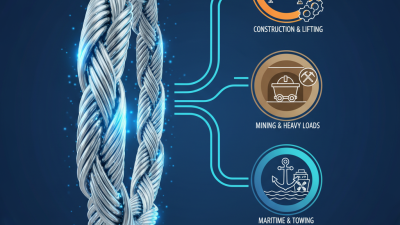
Construction sites commonly use hoisting ropes on tower cranes, mobile cranes, winches, and material elevators. Mining operations often need ropes with strong fatigue resistance and reliable lubrication. Offshore lifting demands corrosion control, careful inspection, and stable performance under changing loads.
Grand View Research valued the global wire rope market at about 10.3 billion dollars in 2023. Its analysis also identified construction and industrial lifting as important demand areas. The figures vary by report scope, so market size alone cannot select a rope.
A responsible supplier should provide tensile grade, rope diameter, core type, lay direction, minimum breaking force, lubrication details, and batch traceability. Test certificates should match the delivered coil. ISO 4309 offers guidance for inspection, maintenance, and discard conditions. ASME B30.30 also addresses wire rope use in lifting equipment.
Ask for samples before a large order. Check the rope on an actual drum, under realistic bending, speed, and load conditions. A low price may hide poor lubrication or inconsistent diameter. That lesson is easy to overlook.
How Are Materials, Construction, and Safety Standards Evaluated?
What Is the Best China Hoisting Wire Rope Supplier?
How Are Materials, Construction, and Safety Standards Evaluated?
A dependable supplier begins with controlled steel quality, not attractive pricing. Ask for material certificates, heat numbers, and test results linked to each production batch. Carbon steel ropes need suitable tensile strength and stable ductility. Galvanized surfaces should appear even, without bare patches or heavy zinc flakes. Lubrication also matters. It should reach the rope core, not merely coat the outer wires. Small details reveal process discipline.
Construction must match the lifting application. A 6×19 rope offers useful abrasion resistance, while a 6×36 design bends more easily over sheaves. An independent wire rope core can improve strength and stability under demanding loads. Rotation-resistant designs require careful installation and trained operators. The supplier should explain breaking force, working load limits, minimum sheave diameter, and discard criteria in clear documents. Vague answers are warning signs.
Safety evaluation should include production inspections, sample tensile tests, dimensional checks, and traceable records. Recognized requirements such as ISO 2408 or applicable national standards provide a useful reference. However, a certificate alone does not prove reliable field performance. I would request recent inspection reports and examine how rejected rope is controlled. That step is often overlooked. Even experienced buyers can miss inconsistent lubrication or poor end termination. A site trial, conducted under approved procedures, may expose weaknesses that laboratory paperwork cannot show.
What Is the Best China Hoisting Wire Rope Supplier?
How Are Materials, Construction, and Safety Standards Evaluated?
The chart shows nominal tensile strength grades commonly specified for steel wire ropes under ISO 2408, expressed in N/mm². A reliable supplier should provide traceable material certificates, verified rope construction details, test results, and documented compliance with applicable standards such as ISO 2408, EN 12385, or ASME B30.30. Tensile strength is only one evaluation factor; construction, fatigue performance, corrosion protection, inspection requirements, and safety factors must also be reviewed before purchasing.
What Should Buyers Check Before Choosing a Supplier?
What Is the Best China Hoisting Wire Rope Supplier?
Before choosing a supplier, buyers should verify technical evidence, not attractive catalog photographs. ISO 2408 covers steel wire rope manufacturing requirements, while ISO 4309 provides inspection and discard guidance. Ask for current certificates, rope construction, grade, diameter tolerance, minimum breaking force, and batch traceability. The test report should match the delivered reel. Small mismatches matter.
Check the supplier’s quality controls through production records, tensile-testing procedures, and corrosion protection details. EN 12385 identifies safety requirements for steel wire ropes used in lifting applications. Request samples before placing a large order. Measure the diameter at several points, inspect lubrication coverage, and compare the certificate with an independent laboratory test when the lifting risk is high. It costs more, but uncertainty costs more.
The International Labour Organization estimates nearly three million workers die annually from work-related causes, although not all incidents involve lifting equipment. That figure should sharpen supplier due diligence. Delivery capacity also deserves proof. Ask for recent production schedules, rejection rates, and documented corrective actions. A supplier that claims zero defects may be hiding weaknesses. Experienced buyers should examine failures openly, including broken wires, birdcaging, and early corrosion. Supplier selection is not only about price; it is about evidence, repeatability, and controlled risk.