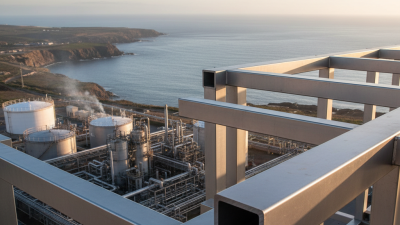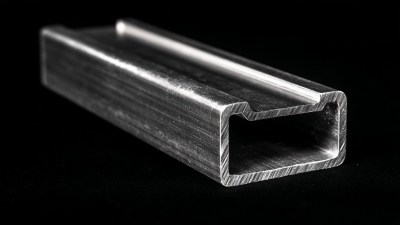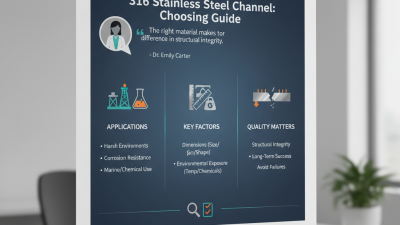
Buying the right 316 Stainless Steel Channel requires more than comparing prices or choosing a familiar supplier. The section must match your environment, structural needs, fabrication method, and documentation requirements. In coastal plants, chemical rooms, and food-processing areas, chloride exposure can quickly reveal weak material choices. A polished surface may look impressive, but it does not replace correct grade verification.
This guide, “10 Tips for Buying 316 Stainless Steel Channel,” explains the checks experienced buyers and engineers commonly use. It covers dimensions, wall thickness, length tolerance, surface finish, and load expectations. It also examines 316 versus 316L, because welding requirements may influence the better choice. Ask for a mill test certificate. Confirm chemical composition, mechanical properties, heat number, and applicable standards, such as ASTM A276 or the specification listed on your purchase order. Independent positive material identification can provide additional confidence.
Small details matter.
A channel with the wrong corner radius may complicate fitting. Inconsistent thickness can affect welding and alignment. Some quotations also describe “stainless steel” without clearly confirming 316 composition. That wording deserves questions, not assumptions. Price remains important, but unusually low pricing may reflect thinner material, unclear origin, or incomplete testing. Even careful buyers can overlook packaging, especially when long channels arrive scratched or contaminated by carbon-steel dust. This guide is not a substitute for an engineer’s calculations or project specifications. It is a practical starting point for making a more informed purchase, reducing avoidable errors, and selecting material that performs reliably in its intended service.
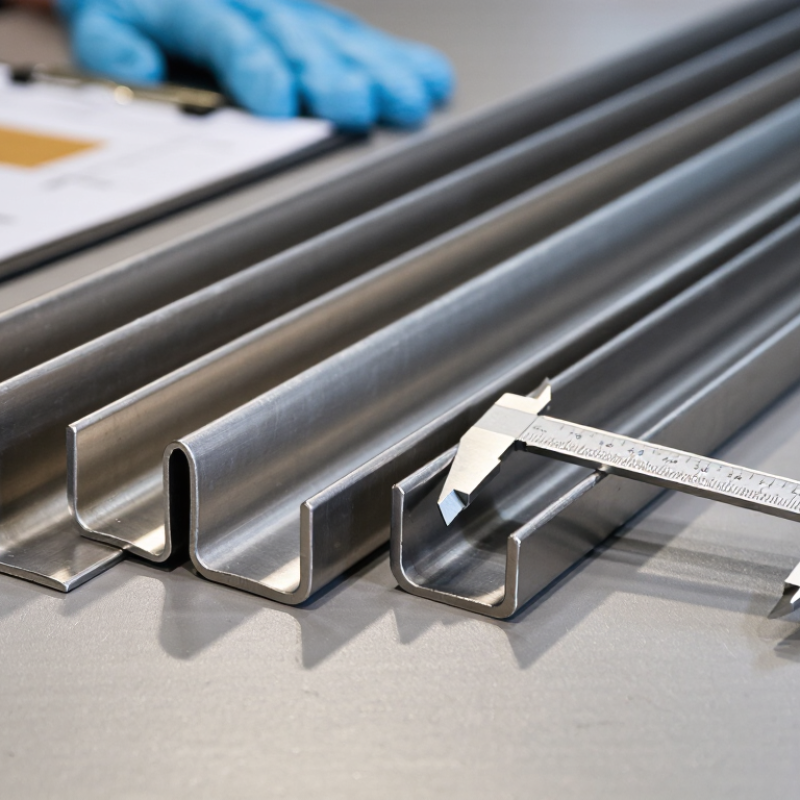
Before comparing prices, define what the channel must do. Record the span, supported load, fixing method, and installation space. Measure the outside width, leg height, thickness, and cut length. A drawing prevents errors. Do not choose 316 stainless steel simply because it sounds stronger. Its value often lies in improved corrosion resistance, especially around saltwater, chemicals, and food-processing equipment. However, 316 is not immune to every chemical or stagnant chloride deposit.
Describe the operating environment in practical terms. Note temperature, moisture, salt exposure, cleaning agents, and contact with dissimilar metals. Ask a qualified engineer to verify loading, deflection, and connection design. Channel geometry can change stiffness dramatically. A thin section may look adequate but twist under an eccentric load. Include surface finish, edge condition, straightness, and dimensional tolerances in the purchase document. If welding is planned, specify the joint type and cleaning requirements. Poorly removed heat tint may reduce corrosion resistance.
Request material certificates, grade confirmation, batch traceability, and inspection records. Confirm whether the channel is hot-rolled, cold-formed, or fabricated, because properties and tolerances may differ. Check applicable project standards before ordering. Small details matter. Leave a modest allowance for site cuts, but excessive allowance creates waste. A verified drawing or sample section can expose errors before production. Revisit the specification with the installer; they may notice access problems missed during desk review.
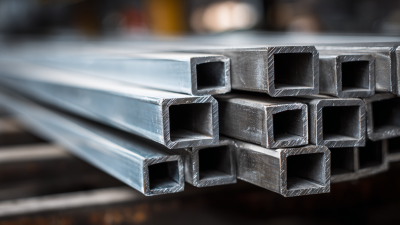
Buying 316 stainless steel channel requires more than matching a product photo. Start by confirming the chemical grade on the material certificate. 316 and 316L are related, but their carbon limits differ. That difference matters after welding. Ask for heat numbers and traceability. A portable PMI test can confirm molybdenum presence during receiving inspection. Do not rely on appearance alone. It can look convincing.
Measure flange width, web depth, wall thickness, length, and straightness. Use calibrated calipers and a micrometer, not a ruler. Compare actual readings with the drawing and stated tolerances. Check inside corners, cut ends, burrs, and warping under a straightedge. One missed thickness variation can affect fit-up and load calculations. I have seen attractive channels fail a basic dimensional check. It mattered.
Review whether the channel was cold-formed, hot-rolled, or welded. Each process can influence tolerances, residual stress, and surface condition. Require the applicable manufacturing standard, inspection report, and heat-treatment details when specified. Common references may include ASTM A276 or EN 10088, but the exact grade and product form must match. Confirm finish requirements, such as mill, brushed, or polished surfaces. Also verify corrosion expectations for the service environment. A certificate without traceable records is weak evidence. If documents conflict, pause the purchase and request clarification in writing.
When buying 316 stainless steel channel, inspect more than the bright surface. Ask for a material certificate and confirm the 316 designation. Check whether the finish is 2B, polished, or brushed. A smoother finish traps less dirt, but it cannot correct a poor alloy choice. Run a fingertip along the edges. Rough burrs often reveal rushed processing. Do not ignore them.
Compare corrosion resistance with the real service environment, not a showroom sample. Molybdenum improves 316 resistance to chlorides near seawater and de-icing salts. Still, stagnant water can cause crevice corrosion inside joints. Inspect welded areas for heat tint and contamination. Ask whether the channel was cleaned and passivated after fabrication. Extra protection may be needed in severe marine exposure. Maybe not always.
Strength requires closer comparison. Check thickness, flange width, straightness, and temper against your drawing. 316 is not automatically stronger than 304; dimensions and processing often matter more. Use an engineer’s calculation for long spans and heavy loads. A channel can feel rigid by hand yet deflect noticeably in service. Review tolerances, cut lengths, and hole locations before delivery. I once overlooked minor finish damage during inspection. Later cleaning required extra labor. That mistake changed my checklist.
Compare surface finish, corrosion resistance, and strength before selecting a channel for fabrication, structural support, or demanding service environments.
Choose 2B for a smooth general-purpose mill finish, No. 4 for a directional polished appearance, or No. 1 when a rougher hot-rolled finish is acceptable. Confirm the specified finish and surface condition with the supplier.
316 and 316L contain molybdenum, generally improving resistance to chlorides and many industrial chemicals compared with 304 stainless steel. They are not immune to chloride pitting or crevice corrosion.
The chart shows ASTM A276 minimum annealed mechanical requirements. 316L has lower minimum strength but its reduced carbon content helps limit sensitization during welding.
Mechanical values shown are minimum requirements for annealed Type 316 and 316L stainless steel bar under ASTM A276; actual channel properties depend on product standard, thickness, heat treatment, and manufacturing process.
Buying 316 stainless steel channel requires more than comparing a kilogram price. Ask suppliers for mill origin, production method, grade, finish, tolerances, and inspection records. Verify whether the channel is hot-rolled, cold-formed, or fabricated. Those details affect strength and fit. Request at least two recent customer references. I once treated a low quote as a clear win. It was not. Missing test documents created costly delays.
Demand a material test certificate with the heat number, chemical composition, mechanical results, and dimensions. EN 10204 3.1 certification is useful when traceability matters. ISO 9001 supports process control, but it does not prove the product meets your specification. Add positive material identification for critical projects. The International Stainless Steel Forum reported 58.4 million tonnes of global stainless production in 2023. That scale does not guarantee consistent quality. Supplier audits still matter.
Price 316 channel against a published stainless assessment, not an unexplained lump sum. Fastmarkets provides regional stainless price assessments, while nickel and molybdenum exposure can move quotations sharply. USGS data recorded about 3.6 million tonnes of nickel and 270,000 tonnes of molybdenum mine production in 2023. Ask whether freight, cutting, packaging, testing, and taxes are included. Confirm the quote’s validity period. Lead times need equal discipline. Get a written production date, shipping window, stock location, and remedy for slippage. S&P Global PMI surveys show supplier delivery times can change during freight disruption. Keep a small approved substitute list. It may prevent panic buying.
| No. | Buying Dimension | What to Look For | Questions and Documents to Request | Commercial Impact |
|---|---|---|---|---|
| 1 | Confirm the Stainless Steel Grade | Specify 316 or 316L according to the application. Both grades typically contain approximately 16–18% chromium, 10–14% nickel, and 2–3% molybdenum under common ASTM and EN compositional ranges. | Request the material designation on the quotation, purchase order, product label, and material test certificate. Do not accept “marine grade” as a substitute for a formal grade designation. | 316L may be preferred for welded assemblies because its lower carbon content helps reduce the risk of sensitization during welding. Grade selection can affect both price and availability. |
| 2 | Check the Applicable Standard | The standard must match the product form and market. Common references include ASTM A276 for stainless steel bars and shapes, ASTM A479 for pressure-vessel and heat-exchanger applications, and EN 10088 for stainless steel products. | Ask the supplier to state the exact standard, edition, grade designation, dimensional tolerance, and inspection requirements on the technical offer. | A clearly defined standard reduces disputes about chemistry, mechanical properties, dimensions, and acceptance criteria. |
| 3 | Evaluate Section Dimensions | Compare the channel’s outside dimensions, web thickness, flange thickness, corner radius, straightness, and cut length with the approved drawing or dimensional specification. | Request a dimensioned drawing and a sample inspection report. Confirm whether dimensions are nominal, actual, or subject to a stated tolerance. | Nonstandard sizes may require rolling, extrusion, laser cutting, or special tooling, which can increase minimum order quantity and lead time. |
| 4 | Review Surface Finish | Select the finish according to the environment and appearance requirement. Common stainless steel finishes include 2B, No. 4 brushed, and BA; finish terminology should be defined in the specification. | Request finish samples or photographs, surface roughness requirements where relevant, and confirmation of whether the channel is pickled, passivated, polished, or supplied mill-finished. | Decorative polishing and tight surface-quality requirements generally cost more than standard mill finishes and may require additional inspection. |
| 5 | Verify Chemical Composition | The chemistry should comply with the selected standard. Molybdenum is a key alloying element in 316 stainless steel and contributes to improved resistance to chloride-related corrosion compared with 304 stainless steel. | Require a heat-number-specific mill test certificate showing carbon, chromium, nickel, molybdenum, manganese, silicon, phosphorus, sulfur, and iron balance, as applicable to the governing standard. | Heat-specific documentation is more reliable than a generic certificate and supports traceability, especially for regulated or corrosive-service projects. |
| 6 | Assess Mechanical Properties | Confirm the required tensile strength, yield strength, elongation, and hardness against the selected standard and product condition. Requirements vary by standard, thickness, and whether the material is annealed or cold-worked. | Ask for test results linked to the same heat and product batch. If the channel is load-bearing, provide the design loads and request engineering confirmation rather than relying only on the grade name. | Additional testing, cold forming, or special mechanical-property requirements can increase processing cost and production time. |
| 7 | Audit Certifications and Traceability | Prefer suppliers able to provide a valid quality-management certificate, such as ISO 9001, when required by the project. For regulated applications, additional product or welding qualifications may be necessary. | Check the certificate scope, issuing body, validity period, and certificate number. Require heat numbers on tags, packing lists, certificates, and—where practical—on the material itself. | Strong traceability reduces receiving risk and simplifies nonconformance investigations, but certification and inspection services may appear as separate line items. |
| 8 | Compare Pricing on the Same Basis | Compare quotations using the same grade, dimensions, finish, length, quantity, packaging, inspection level, currency, Incoterm, and tax treatment. Stainless steel pricing is influenced by alloy costs, energy, fabrication, quantity, and freight. | Request a line-item quotation showing material price, cutting or forming charges, testing fees, packaging, freight, duties, payment terms, and quotation validity. | The lowest unit price may not be the lowest delivered cost if it excludes certificates, finishing, export packing, inland transport, or customs-related charges. |
| 9 | Validate Production and Lead Times | Distinguish between stock availability, processing time, quality-document preparation, and transit time. Standard sections are generally easier to source than custom sizes or special finishes. | Ask for the promised ship date, production schedule, inspection date, document-release date, packing completion date, and estimated transit time. Confirm the time zone and calendar used for “working days.” | A firm delivery commitment can be more valuable than a small price reduction when installation or shutdown dates are fixed. Include delay-notification and partial-shipment terms in the order. |
| 10 | Inspect Before Shipment and at Receipt | Use an inspection plan covering grade, heat number, quantity, dimensions, finish, straightness, packaging, and visible damage. For critical applications, consider independent inspection or positive material identification. | Define sampling frequency, acceptance tolerances, required photographs, nonconformance procedures, and the deadline for submitting claims. Confirm that the packing prevents carbon-steel contamination and moisture damage. | Pre-shipment inspection and corrosion-resistant packaging add cost, but they can prevent expensive rework, rejected shipments, and installation delays. |
Inspect the channel before accepting your purchase. The World Stainless Association reported global crude stainless steel production of about 58.4 million tonnes in 2023. That scale increases the need for heat-level traceability and consistent inspection.
Check the material test report against the purchase order. Confirm the grade, heat number, chemical composition, dimensions, and delivery condition. ASTM A484/A484M provides general requirements for wrought stainless products, but your contract should define exact tolerances.
Measure flange width, web height, thickness, length, straightness, and twist with calibrated tools. Small errors matter during installation.
Look closely at the surface. Reject channels with deep gouges, folded edges, heavy scale, cracks, or corrosion staining that cleaning cannot remove.
A handheld X-ray fluorescence test can help verify chromium, nickel, and molybdenum. It cannot reliably confirm carbon content, so it may not distinguish 316 from 316L. Request suitable laboratory results when low carbon content is critical.
Match the heat number on the channel to its certificate. Do not accept mixed bundles without clear identification.
I have seen paperwork look perfect while one piece was visibly bent. That is easy to miss. Take photographs, record measurements, and note defects before signing delivery documents.
My own inspection habit is not flawless; bright warehouse lighting can hide shallow scratches, so checking from several angles is wiser.